What Are the Best Mesh Chairs to Buy in 2026?
A mesh chair can feel cool during a long afternoon, yet still leave pressure behind your knees or a stiff spot between your shoulder blades. Comfort is personal. Fit is measurable.
Grand View Research valued the global office furniture market at $54.09 billion in 2023 and projected continued growth through 2030. That figure includes far more than seating, so it cannot prove that any particular chair is worth buying. It does show why buyers face a crowded market, with polished product pages and plenty of competing claims. For this guide, Mesh Chairs are assessed by practical details: lumbar support, seat depth, breathable fabric, adjustment range, warranty, and parts availability. A mesh back alone is not an ergonomic guarantee.
Ergonomics expert Dr. Alan Hedge is often quoted as saying, “The best posture is the next posture.” The advice points to a useful buying test: can you adjust the chair, shift position, and keep your feet supported without fighting the controls? Check that the seat edge does not press into your thighs, and that the lumbar support meets your lower back. Small details matter. A chair may look airy in a studio photo but feel taut, noisy, or unforgiving after several hours. This guide compares standout options for different bodies, desks, and budgets, while treating manufacturer claims with care. No ranking can replace trying a chair when possible. And mesh is not magic.
What Defines a Mesh Chair and How Does Its Design Work?
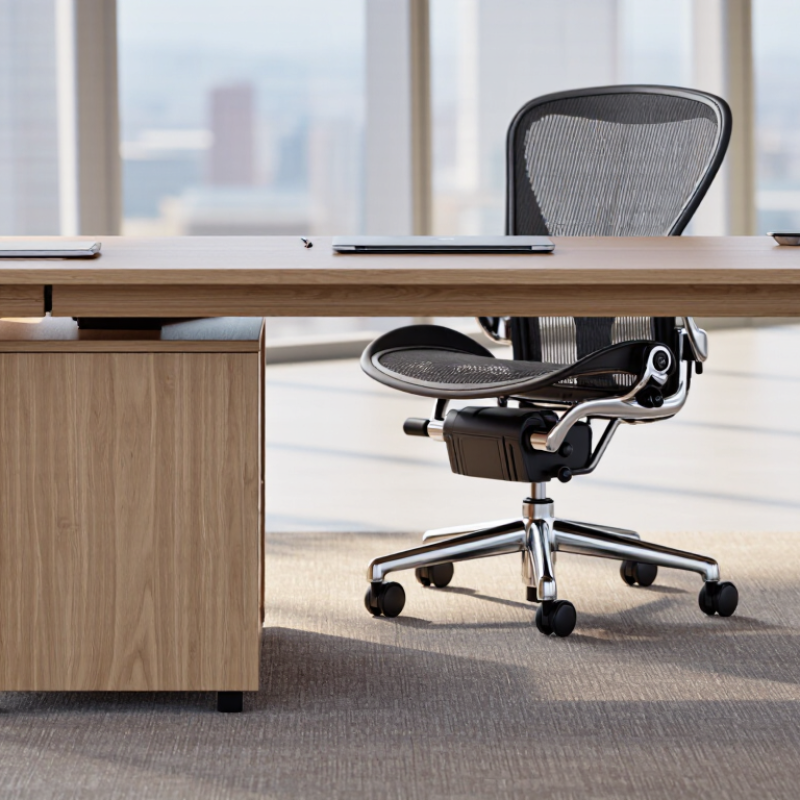
A mesh chair uses a tensioned textile surface across a frame instead of a solid upholstered seat or back. The woven gaps let air move through, which can feel cooler during long, warm work sessions.
Air moves freely.
The mesh also changes how the chair supports the body: its tension spreads pressure, while the frame and lumbar area shape posture. A loose seat may sag; a very taut back can feel unforgiving. Mesh alone does not make a chair ergonomic.
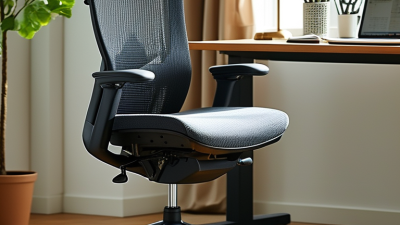
Look closely at the details. A curved lumbar panel should meet your lower back, and the seat edge should not press behind your knees. Adjust the chair, then sit for several minutes; comfort is personal, and a showroom glance can mislead.
The World Health Organization’s 2022 musculoskeletal health fact sheet estimates that 1.71 billion people live with musculoskeletal conditions worldwide. A well-fitted chair cannot prevent every condition, but fit and movement matter.
ANSI/BIFMA X5.1, an industry standard for general-purpose office chairs, evaluates stability, strength, and durability. Those tests help assess construction, not whether a chair suits your body.
I would not treat airflow as a comfort guarantee.
Which Features Matter When Choosing a Mesh Chair?
When comparing mesh chairs in 2026, look beyond the fabric. A breathable back can help reduce heat, but it cannot compensate for poor fit. Check whether seat height, lumbar support, and armrests adjust independently. Your feet should rest flat, with your lower back supported, as OSHA workstation guidance recommends. Fit matters more.
Seat depth deserves a real test, not a quick glance. Sit back and check that the seat edge does not press behind your knees. The CDC’s 2018 analysis found that 25.7% of U.S. adults reported sitting more than eight hours daily. That figure is a useful reminder: comfort and movement matter, even with a well-designed chair. Stand and stretch regularly; mesh does not make prolonged sitting harmless.
For durability, look for documented testing against ANSI/BIFMA X5.1, a standard for general-purpose office chairs. Ask whether the model was tested as a complete chair, not just whether its mesh feels sturdy. A firm frame, stable five-point base, and replaceable parts can matter more over time than a dramatic recline angle. I would still sit in a chair before buying; online dimensions rarely reveal pressure points. A little skepticism helps. Check the return terms, too.
What to Look for in a Mesh Chair in 2026
Common Office-Chair Fit Dimensions
Use these reference ranges as a starting point, not a one-size-fits-all rule. When comparing mesh chairs, also check for breathable, supportive mesh, adjustable lumbar support, a seat depth that fits your legs, and a comfortable recline.
Reference: U.S. Occupational Safety and Health Administration (OSHA), Computer Workstations eTool. Dimensions shown in inches.
What Types of Mesh Chairs Are Available in 2026?
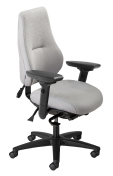
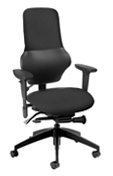
Mesh chairs in 2026 come in several practical styles, and the right choice depends on how you work. Task chairs are compact and suited to everyday desk use. Many include adjustable seat height, lumbar support, and armrests. Ergonomic mesh chairs usually offer more adjustments, such as a sliding seat or flexible back support. Those details help when one chair is used for long work sessions.
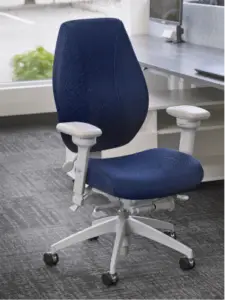
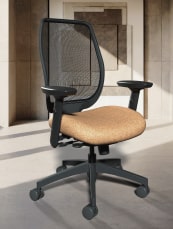
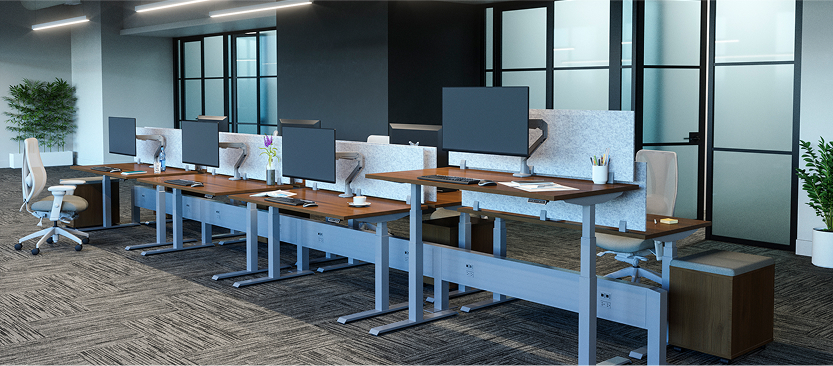
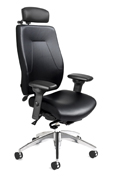
Executive mesh chairs often have taller backs and wider seats, though their extra size may not suit a small desk. Drafting chairs add a taller cylinder and foot ring for raised counters or standing-height workstations. Conference chairs are typically simpler, with fewer adjustments for shared meeting rooms. Some models use mesh only across the back; full-mesh designs also use it for the seat. Full mesh can feel airy, but it may not suit everyone. Seat tension and edge pressure matter.
Tips: Match the chair to your desk height and typical sitting time. Check that your feet rest flat, or use a footrest. If possible, sit in the chair for several minutes before buying; a supportive-looking back can still feel too firm. Measurements help, but they do not tell the whole story.
What Are the Best Mesh Chairs to Buy in 2026?
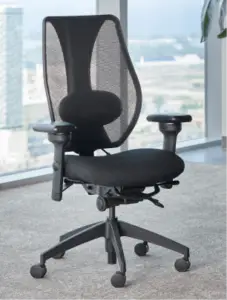
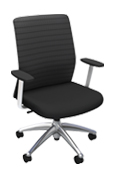
The best mesh chairs to buy in 2026 are not simply the ones with the most adjustments. Look for a breathable back, a seat that supports your thighs without pressing behind your knees, and controls you can reach while seated. Adjustable lumbar support should meet your lower back, not push sharply into it. A chair that fits your body matters more than a long feature list.
If possible, test the chair for at least ten minutes. Notice whether the mesh feels taut or sags, and whether the seat edge stays comfortable when you lean back. Check the height range against your desk and the armrests against your shoulders. Small details count. A chair that makes your arms lift can leave your neck tense by afternoon. For online purchases, review return terms and measurements carefully; product photos rarely show how firm the seat feels.
Mesh keeps air moving, especially in warm rooms, but it is not automatically cool or comfortable. Some seats feel too firm, and low-cost mesh may lose tension over time. I would prioritize a sturdy frame, smooth adjustments, and a warranty with clear coverage. Still, fit is personal. A well-reviewed chair can feel wrong after an hour at your own desk.
How Can You Choose a Mesh Chair for Your Needs and Budget?
Fit comes first. Sit with your feet flat and your knees near hip level. Leave a small gap between the seat edge and the back of your knees. Adjust the backrest so it supports your lower back without pushing you forward. Mesh can feel cooler in a warm room, but a taut back is not automatically comfortable. Test the seat for at least several minutes, if possible. Notice pressure under your thighs and whether the frame rubs your shoulders.
The World Health Organization’s 2023 low-back-pain fact sheet estimated that 619 million people experienced low back pain in 2020. That figure is not proof that a particular chair prevents pain; it is a reason to assess fit carefully. On a tight budget, prioritize adjustable seat height, usable lumbar support, and a return policy over extra controls you may never use. Check the warranty and whether replacement parts are available. A higher price can buy more adjustment, but not a better fit for every body. I would also check the chair’s stated durability testing, while remembering that lab results cannot predict how it will feel after a long workday. Comfort is personal—and a little inconvenient.