20% off Demo Text

What Are the Best Reception Chairs for 2026?

Reception Chairs do more than fill a waiting room. They shape a visitor’s first impression, and a stiff seat can make even a polished lobby feel unwelcoming. For 2026, the best choice balances comfort, durability, cleanability, and fit with the space. Look closely at details: arm height, seat depth, upholstery seams, and whether chairs leave enough room for bags and mobility devices.

Gensler’s 2024 Global Workplace Survey collected responses from more than 16,000 workers across 15 countries. It offers a useful view of changing workplace expectations, though it does not measure reception-chair comfort directly. That distinction matters. A broad workplace survey cannot tell you how a particular chair feels after a long wait. Workplace ergonomist Alan Hedge’s familiar advice is, “The best posture is the next posture.” It is a helpful reminder to consider movement and seating variety, not just appearance.

There is no flawless chair. A sculptural frame may look inviting but feel tiring; plush upholstery may be harder to keep presentable. The right choice depends on visitor volume, available floor space, and how long people typically wait. This guide compares practical styles and materials, while noting where product claims need closer checking. Small details count. A stable base, supportive back, and wipeable finish can matter more than a dramatic silhouette.

What Are the Best Reception Chairs for 2026?

Reception Chairs: Purpose, Settings, and Essential Features

Reception chairs shape a visitor’s first minutes: a firm seat, clear armrests, and enough space to set down a bag can make waiting feel less awkward. Their purpose varies by setting. A clinic needs wipeable upholstery and easy access; a hotel lobby may favor softer cushions, while a compact office needs chairs that do not block circulation. Small details matter. Check seat height, depth, back support, and stability, especially for older visitors or people with limited mobility.

Durability is more than a heavy frame. ANSI/BIFMA X5.4-2020 specifies performance tests for public and lounge seating, including stability and strength; buyers can ask suppliers for evidence of testing against the standard. Upholstery should suit cleaning routines, and seams should not trap dirt. For comfort, trial chairs with people of different heights and body types. A brief showroom test can miss pressure points that appear during a longer wait. The World Health Organization’s 2020 guidelines recommend adults accumulate 150–300 minutes of moderate-intensity activity weekly; seating cannot replace movement, but reception layouts can avoid making it harder. Leave clear routes and consider a mix of chairs and standing space. I would not assume one style fits every visitor.

How to Evaluate Comfort, Durability, and Accessibility

What Are the Best Reception Chairs for 2026?

Choosing reception chairs is less about appearance than how they perform during an ordinary busy day. Comfort should be tested with real sitting, not a quick touch. Sit for ten minutes. Notice whether the seat edge presses behind your knees, your feet rest on the floor, and the back supports you without forcing a rigid posture. A chair that feels plush at first may become tiring when visitors wait longer than expected.

Durability shows in details people often overlook. Check that joints feel firm, the frame does not wobble, and upholstery seams are even. In a high-traffic lobby, chair legs may scrape hard flooring, while bags and coat zippers catch fabric. Ask how the covering can be cleaned and whether routine care suits your staff and schedule. These checks are practical, though they cannot predict every repair. I would not treat a heavy chair as automatically sturdy.

Accessibility deserves equal attention. Leave clear routes between chairs and toward entrances, counters, and restrooms. Include seating with arms, which can help some visitors sit down and stand up, alongside options without arms for easier side transfers. Keep spaces for mobility devices beside the seating rather than treating them as an afterthought. Measure the actual room with tables and doors in place. A layout can look open on a plan and still feel cramped.

Common Reception Chair Types and Their Best Uses

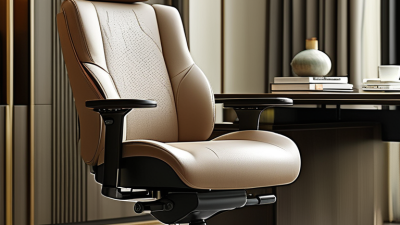
Reception chairs do more than fill a waiting area. Their shape affects comfort, movement, and the impression visitors form while they wait. For a busy clinic or service desk, stackable side chairs can be practical. They are easy to rearrange when the room needs to serve more people. Choose models with sturdy frames and wipeable upholstery, especially near entrances where rain and dirt may be tracked in. Test the seat height, too. A chair that looks sleek can feel awkward after ten minutes.

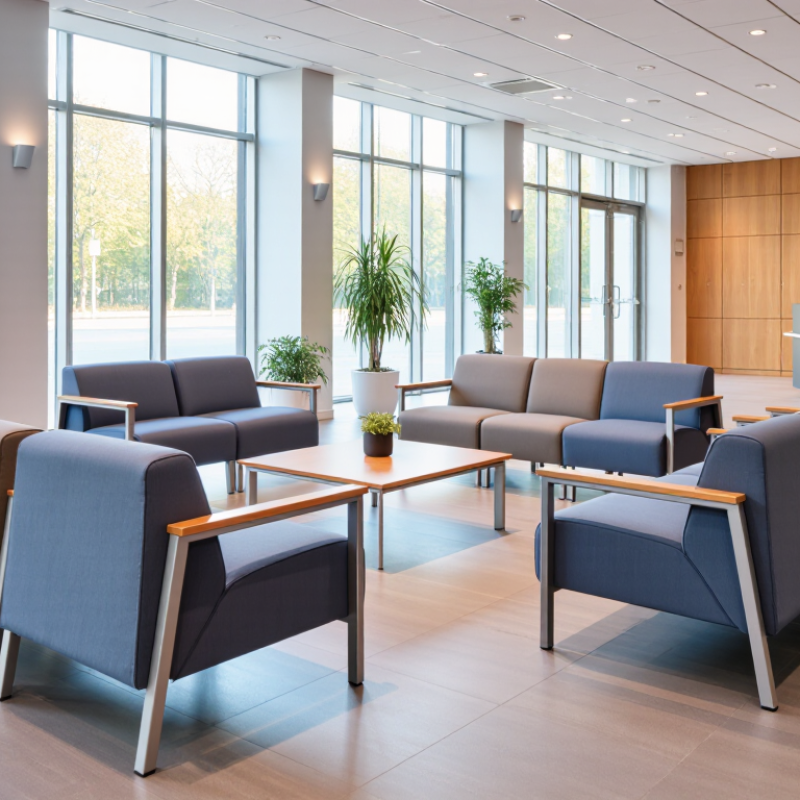
Lounge chairs suit quieter offices, hotel lobbies, and consultation areas where visitors may stay longer. Look for supportive arms and a seat that is not too deep; older guests may find low, soft cushions difficult to get out of. Small details matter. A firm edge can help. For a compact reception desk, armless chairs usually fit more neatly and allow easier passage between seats. They can feel less welcoming, though, so adding a small side table or a textured fabric may soften the space. That is not always enough.

Benches work well for families or locations with changing visitor numbers, but they offer less personal space and can make private conversations feel exposed. Upholstered guest chairs create a more formal, comfortable setting for one-to-one meetings. Before choosing, measure the clear walkway with chairs occupied, not pushed in. Also consider cleaning routines and replacement parts. A beautiful chair is a poor choice if staff cannot maintain it or visitors avoid sitting in it.

What Are the Best Reception Chairs for 2026? — Common Reception Chair Types and Their Best Uses
Chair Type Best Use Typical Features Main Advantages Considerations
Guest Side Chair Small reception areas, consultation rooms, and short visits Armless design; often upholstered or made with a molded seat and back Compact footprint makes it easy to arrange several seats in limited space May be less comfortable for long waits; check seat width and back support
Upholstered Armchair Professional offices, hotels, and waiting rooms where visitors may sit longer Padded seat and back, with arms that provide support when sitting or standing Offers a more supportive, lounge-like seating experience Usually takes up more floor space and can be harder to move than a side chair
Guest Chair with Sled Base Reception desks, meeting rooms, and orderly rows of visitor seating Continuous metal base runners instead of four separate legs Stable construction and a clean appearance; some designs can be easier to reposition Confirm that the base is suitable for the floor surface and has protective glides
Stacking Chair Multi-purpose waiting areas, event spaces, and facilities that need flexible layouts Lightweight frame designed so chairs can be stacked when not in use Can be stored compactly and arranged quickly for changing occupancy needs Check the recommended stacking height and whether a storage trolley is available
Beam Seating High-traffic public waiting areas, such as clinics and service centers Multiple seats fixed to a shared horizontal beam, often with a metal frame Keeps seating aligned and can make efficient use of floor space Less flexible to rearrange; individual seat comfort and cleaning access vary by design
Heavy-Duty or Bariatric Chair Waiting rooms that need wider seating and higher stated weight capacity Reinforced frame and a wider seat; product capacity is specified by the manufacturer Provides a more accommodating seating option for a wider range of visitors Compare the listed weight capacity, seat width, and overall footprint before purchase
Reception Lounge Chair Hotel lobbies, executive offices, and waiting areas intended for longer stays Lower seat height and deeper, more relaxed proportions than a typical guest chair Creates a comfortable, welcoming setting for extended waits Low or deep seats may be harder for some visitors to enter and exit; provide varied seating options
Wipe-Clean Polypropylene Chair Busy reception areas where quick surface cleaning is important Molded plastic seat and back, sometimes paired with a metal or plastic base Non-upholstered surfaces are generally straightforward to wipe clean Comfort, durability, and approved cleaning products depend on the specific chair material and design

What Makes a Reception Chair Stand Out in 2026

What Are the Best Reception Chairs for 2026?

What Makes a Reception Chair Stand Out in 2026

A standout reception chair balances comfort, durability, and easy care. Guests may sit for five minutes or an hour, so supportive seat depth and a stable back matter. Look for replaceable glides, sturdy joints, and upholstery that can handle frequent cleaning. ANSI/BIFMA X5.4 sets performance requirements for lounge and public seating, offering buyers a useful benchmark beyond appearance. A striking silhouette helps, though design teams can sometimes give looks too much weight.

Material choices matter indoors. The U.S. Environmental Protection Agency’s indoor air quality guidance says concentrations of some pollutants are often two to five times higher indoors than outdoors. Consider low-emitting finishes and materials, and ask suppliers for relevant emissions documentation. Also check whether fabric resists stains without feeling stiff, and whether seat edges remain comfortable against the backs of guests’ legs.

How to Choose and Arrange Chairs for Your Reception Area

Reception chairs shape a visitor’s first impression, but comfort matters more than a dramatic silhouette. For 2026, look for supportive backs, stable frames, and upholstery that suits your daily cleaning routine. A chair should feel comfortable during a short wait without making a small lobby feel crowded. Measure the room and chair width before ordering. It sounds obvious, yet this step is easy to skip.

Tips: Leave a clear path from the entrance to the reception desk. Keep chair legs away from door swings, and allow enough space for people to sit and stand without bumping a neighbor. If visitors may use mobility aids, check turning space with the actual room layout. A floor plan helps, but it cannot capture every awkward corner.

Arrange chairs in small groups when visitors need conversation, or in a neat row when space is limited. Place a side table within easy reach, but keep walkways open. Test the layout by walking through it with a bag or coat in hand. Then sit in each chair for several minutes. Does the seat edge press against your legs? Can someone speak privately at the desk? Adjust as needed. Real rooms rarely behave exactly like the drawing.

What Are the Best Reception Chairs for 2026?

Use these ergonomic and accessibility benchmarks when selecting reception chairs and planning the waiting area. Comfortable seating should provide adequate seat support while preserving a clear circulation route.

Seat-height, seat-depth, and seat-width figures represent common ergonomic planning targets. The 91.5 cm circulation figure corresponds to a 36-inch clear accessible route. Always verify final dimensions against local accessibility and building regulations.