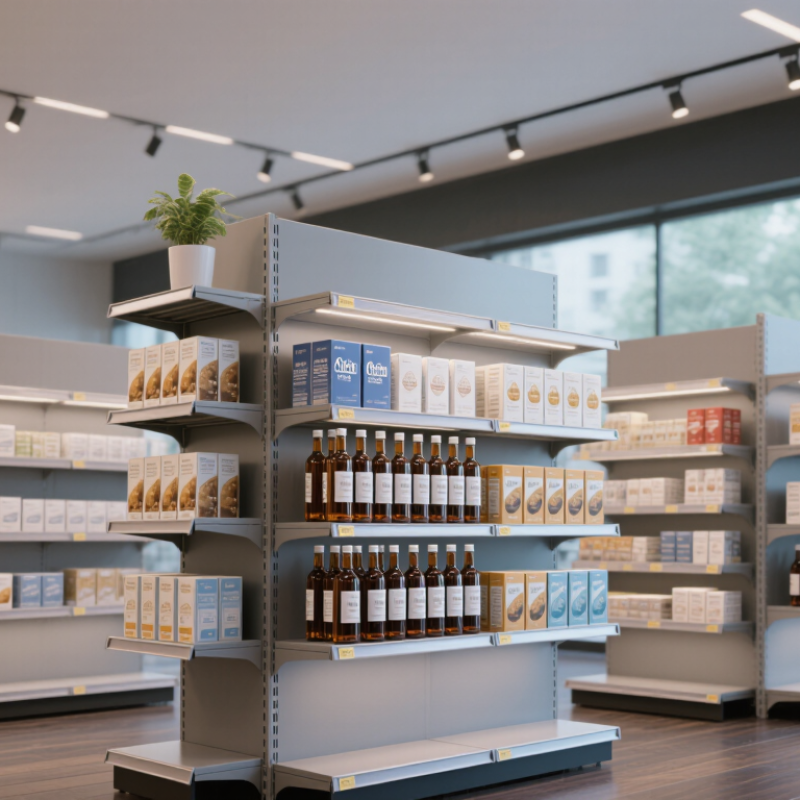
| Powder-Coated Steel | Heavy merchandise, locked cabinets, wall bays, gondolas, and high-traffic stores. | High load capacity; durable; resistant to abrasion; non-combustible metal substrate; easy to clean. | Heavier than aluminum; exposed scratches may corrode; metal edges require careful finishing. | Use rounded or capped edges, stable anchoring, anti-tip restraints, and load-rated shelves. Avoid sharp cut edges. | Specify low-emission coatings where required; verify coating chemistry, corrosion protection, and restricted-substance declarations. | Very high for demanding retail environments and long service life. |
| Anodized Aluminum | Modular shelving, lightweight display frames, movable fixtures, and premium wall systems. | Lightweight; corrosion-resistant surface; recyclable material; easy to transport and reconfigure. | Lower stiffness than steel at the same profile size; can dent; higher material cost in some markets. | Use sufficient profile depth, secure connectors, anti-tip devices, and protective end caps in customer-accessible areas. | Confirm anodizing or coating process, recycled-content claims, and compatibility with local chemical restrictions. | High where low weight, corrosion resistance, and frequent layout changes matter. |
| Tempered Safety Glass | Lockable showcases, premium product presentation, counter displays, and dust-protected cabinets. | High visibility; easy to clean; better thermal-shock and impact performance than ordinary annealed glass. | Can shatter if damaged; heavy; requires correctly designed supports and hardware. | Use safety-marked, properly processed glass; protect edges; prevent panel movement; follow applicable architectural-glazing rules. | Check glass safety classification, traceability, breakage behavior, and restrictions on coatings, sealants, and adhesives. | High for secure visibility, provided glazing and installation requirements are met. |
| Laminated Glass | Higher-security showcases, partitions, doors, and areas where retained fragments are important. | Interlayer helps retain broken fragments; good acoustic and visual performance; suitable for security-focused designs. | Heavier and usually more expensive than single tempered panels; edges need protection from moisture and impact. | Specify the correct thickness, interlayer, edge treatment, supports, and impact classification for the installation location. | Verify interlayer composition, sealant compatibility, product traceability, and local glazing documentation. | High for security-oriented retail displays with controlled installation. |
| MDF or Plywood with Decorative Laminate | Back panels, cabinetry, storage compartments, branded-color interiors, and budget-conscious fixtures. | Good machinability; broad color and texture options; efficient for enclosed cabinet construction. | Moisture sensitivity varies; combustible wood-based core; fasteners and edges can wear under heavy use. | Seal exposed edges; use stable construction; manage tipping risk; select appropriate fire-performance materials where required. | Request formaldehyde-emission documentation, panel certification where applicable, laminate safety data, and low-VOC adhesive information. | Medium to high, depending on moisture, fire, emission, and durability specifications. |
| Acrylic Sheet | Lightweight risers, transparent dividers, illuminated displays, and small product holders. | Lightweight; transparent; easy to fabricate; generally more impact-resistant than ordinary glass. | Scratches more easily than glass; can craze with incompatible chemicals; limited heat and load performance. | Use rounded edges, adequate thickness, UV-stable grades where needed, and cleaning agents approved for the sheet. | Confirm polymer composition, flame behavior where relevant, UV additives, and restricted-substance documentation. | Medium for lightweight presentation components rather than primary load-bearing shelves. |