| Definition | Flexible identification
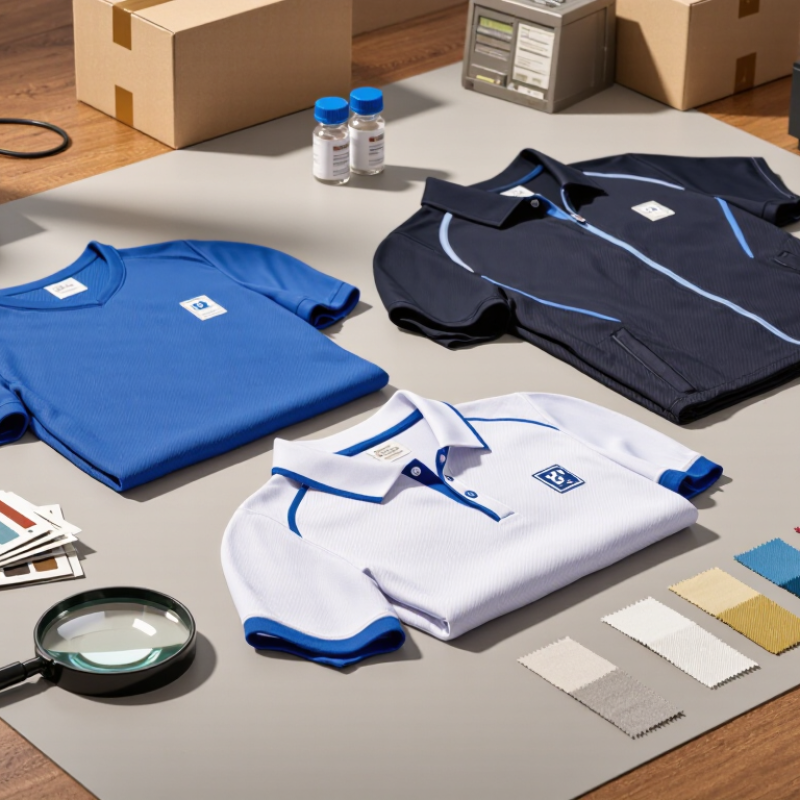
Printed or molded artwork on a thin carrier film that is transferred onto fabric using controlled heat and pressure. | Sewn labels are attached with thread, while direct printing places ink directly onto the textile surface. | A single label format can be prepared for different garment styles, colors, and production locations. |
| Application Method | A heat press normally applies the label at a specified temperature, pressure, and dwell time. The carrier film is removed after cooling or according to the transfer specification. | Sewn labels require stitching equipment and additional handling. Direct printing requires screen, digital, or other textile-printing equipment. | Heat-press application can be performed close to the final production line, reducing the need to source pre-labeled garments from one location. |
| Typical Materials | Common constructions include polyurethane, polyester, PVC, silicone, and water-based or solvent-based printed systems, depending on the required finish and compliance needs. | Woven labels commonly use polyester or similar textile yarns. Direct prints commonly use water-based, plastisol, discharge, or digital textile inks. | Material selection can be matched to garment softness, stretch, opacity, wash requirements, and local regulatory specifications. |
| Comfort and Hand Feel | Usually lightweight and smooth, with no sewn edge. Thin polyurethane-based transfers are often selected for close-to-skin garments and stretch fabrics. | Sewn labels may create edge or seam irritation. Direct prints can feel soft, but the result depends on ink type, print deposit, and fabric structure. | A low-profile label can improve wearer comfort and help meet different market preferences without changing the garment pattern. |
| Stretch and Flexibility | Stretch performance depends on the film and adhesive system. Stretchable constructions can be designed for sportswear, underwear, swimwear, and knit fabrics. | Sewn labels may restrict movement at the attachment point. Some direct-print systems flex well, but cracking can occur when ink or curing is unsuitable. | A suitable transfer construction can support a wider range of fabric programs from one sourcing network. |
| Durability | Correctly specified and applied transfers can withstand repeated laundering. Actual performance depends on film type, adhesive, fabric, wash chemistry, temperature, and application settings. | Sewn labels are mechanically secured but can fray or detach if stitching fails. Direct prints may fade, crack, or lose opacity under aggressive washing. | Production validation through wash, rubbing, stretch, and adhesion tests helps reduce quality variation between factories. |
| Recommended Application Temperature | Many systems are applied within approximately 130–180°C, but the correct temperature must always follow the supplier’s technical specification and the fabric’s heat tolerance. | Sewn labels do not require heat for attachment. Direct printing usually requires curing conditions that vary by ink chemistry and textile type. | Documented application parameters make it easier to standardize production across countries and equipment types. |
| Color and Artwork Capability | Supports text, symbols, barcodes, care information, variable data, and multi-color artwork. Reflective, metallic, matte, glossy, and textured effects may also be available. | Woven labels provide a textile appearance but may have limitations for very small text or highly detailed gradients. Direct printing supports detail but depends strongly on fabric color and surface. | Artwork can be adapted for multiple languages, legal requirements, size ranges, and market-specific information. |
| Inventory and Logistics | Labels can be shipped separately from blank or undecorated garments and applied later in the production process. | Sewn labels are often attached during garment assembly. Changing label information may require separate production runs or additional rework. | Separate labeling supports postponement, regional customization, and more flexible inventory allocation. |
| Brand and Compliance Updates | New care instructions, fiber content, country-of-origin text, size information, or market language can be produced as separate label versions. | Updates to sewn-in labels may require changes to sewing operations. Direct-print revisions may require new screens, artwork files, or printing setup. | Version control is easier when each destination market uses a clearly identified transfer specification and artwork approval process. |
| Quality-Control Checks | Key checks include placement, color, text legibility, adhesion, peel resistance, stretch recovery, wash durability, and fabric compatibility. | Sewn-label checks focus on stitch security, position, edge finishing, and readability. Direct-print checks include registration, curing, coverage, and wash resistance. | A standardized inspection checklist helps factories compare results consistently across different countries and production batches. |
| Best-Fit Product Categories | Commonly used for activewear, sportswear, underwear, swimwear, children’s clothing, uniforms, promotional textiles, and technical garments. | Sewn labels remain useful for structured garments and decorative textile branding. Direct printing is suitable when the artwork is intended to become part of the fabric surface. | The most suitable option depends on fabric composition, garment construction, expected wash care, appearance, and production equipment. |