| Indicative equipment budget (USD) | $1,000–$10,000 for basic, low-capacity equipment | $10,000–$100,000 for equipment with selected automated steps | $100,000–$1,000,000+ for integrated, higher-capacity systems | Broad planning estimates only. Actual prices depend on capacity, configuration, condition, installation, shipping, and supplier quotations. |
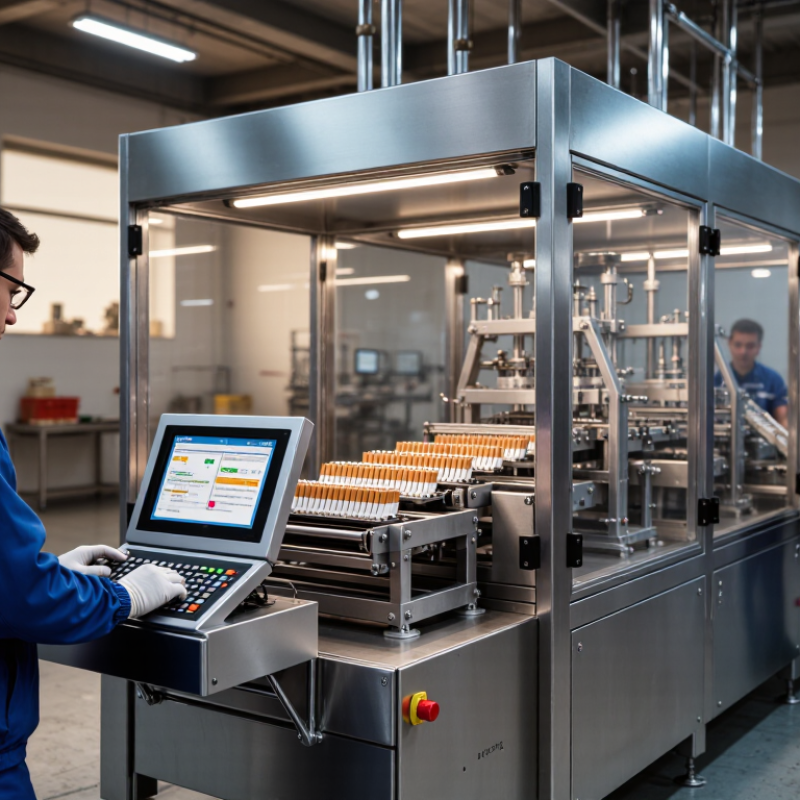
| Typical production approach | Operators perform most material handling and production steps. | Some steps are mechanized while operators load, monitor, or transfer materials. | Multiple production steps may be linked and controlled through automated systems. | Compare verified rated output and expected usable output; changeovers, downtime, and staffing affect actual production. |
| Staffing and training | More hands-on labor per unit; training is generally focused on safe operation and consistent procedures. | Operators need both process training and equipment-specific instruction. | May reduce routine manual handling but requires trained operators and access to technical support. | Automation does not eliminate staffing needs for quality checks, cleaning, maintenance, and compliance records. |
| Maintenance planning | Routine cleaning, inspection, and replacement of worn parts are still necessary. | Plan for scheduled servicing of mechanical and electrical components. | Plan for preventive maintenance, spare parts, troubleshooting, and possible specialist service. | Request a written maintenance schedule, parts list, warranty terms, and service-response details before purchase. |
| Additional setup costs | Work area, storage, safety measures, and basic tools. | May include electrical work, material handling, installation, and operator training. | May include facility preparation, installation, commissioning, utilities, and integration with other equipment. | Equipment price alone is not the total investment. Obtain itemized quotes covering delivery, installation, and commissioning. |
| Quality and downtime controls | Consistency depends heavily on operator procedures and inspection. | Mechanical assistance can improve repeatability, subject to setup and checks. | Automated monitoring may support consistent operation, but settings and finished output still require verification. | Evaluate quality-control procedures, reject handling, changeover time, and expected downtime—not just rated speed. |
| Regulatory requirements | Requirements depend on the country and the products manufactured. In the United States, tobacco-product manufacturers may need to address FDA establishment registration and product-listing obligations, applicable premarket requirements, labeling rules, and other federal obligations. Federal tobacco excise-tax requirements and permits may also apply through the Alcohol and Tobacco Tax and Trade Bureau (TTB). | Confirm current federal, state, and local requirements with the relevant authorities and qualified legal or tax advisers before production or sale. |
| Best fit | Small-scale operations prioritizing lower initial equipment expenditure and accepting more manual work. | Businesses seeking a middle ground between manual processes and higher capital investment. | Businesses with sufficient demand, space, trained personnel, and capital to support an automated operation. | Choose equipment based on verified demand, total cost of ownership, compliance readiness, and service availability. |
| Note: Cost ranges are indicative planning estimates, not current supplier quotations or guaranteed market prices. Regulatory information is a general U.S. overview, not legal advice; requirements can change and vary by product and jurisdiction. |