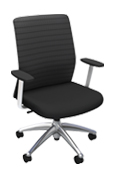
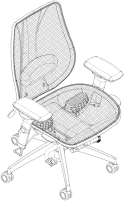
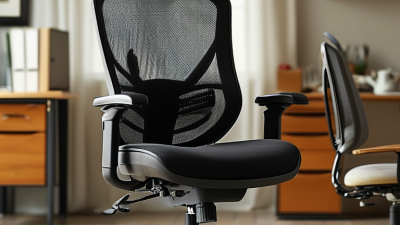
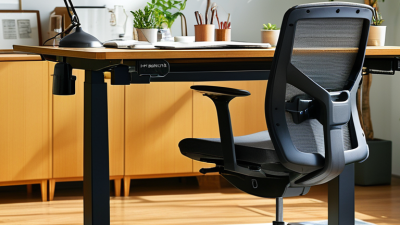
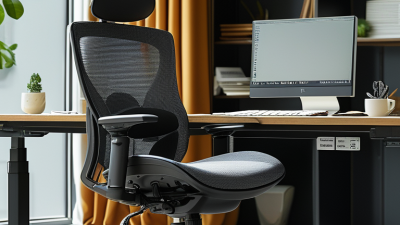
What Are the Best Office Chairs in China?
Choosing the best Office Chairs in China requires more than comparing prices or polished product photos. The market includes established manufacturers, export-focused suppliers, and smaller factories with limited testing records. A chair may look impressive online yet feel unstable after several hours. This guide examines comfort, ergonomic support, materials, adjustment ranges, warranty terms, and after-sales service. These details matter in a real office.
We will consider chairs for remote work, corporate offices, meeting rooms, and professional studios. Practical evidence will guide the discussion. Seat depth, lumbar support, armrest movement, caster quality, and backrest tension can change daily comfort. A breathable mesh surface may suit humid regions, while dense foam can feel warmer but more supportive. Product certifications and transparent specifications also deserve careful attention. Standards such as BIFMA or relevant Chinese testing documentation can strengthen confidence, but they should not replace hands-on evaluation.
The “best” chair is rarely the most expensive one. It should match the user, desk height, working hours, and available budget. Some popular models may have excellent features but inconsistent service between sellers. That point is easy to overlook. We will also discuss trusted purchasing channels, return policies, and signs of exaggerated marketing claims. The research may not produce one universal winner, because comfort remains partly personal. Still, clear comparisons can reduce guesswork and help buyers make a more responsible decision. Expect balanced recommendations, practical limitations, and a few conclusions that may require further testing.
What Makes an Office Chair High-Quality in China
A high-quality office chair in China should support real work, not just look impressive in a showroom. The World Health Organization reports that about 1.71 billion people live with musculoskeletal conditions worldwide. Low-back pain remains the leading cause of disability. This makes lumbar support, seat depth, and stable adjustment mechanisms practical health considerations.
Look for a backrest that follows the natural curve of the spine. It should support the lower back without forcing the shoulders forward. A seat should leave two or three fingers of space behind the knees. Height adjustment must allow both feet to rest flat on the floor. The Chinese standard QB/T 2280-2016 covers office-chair requirements, while ANSI/BIFMA X5.1 provides widely used performance and durability testing principles. Certification helps, but it is not a complete quality guarantee.
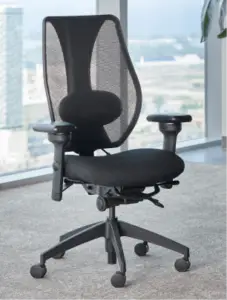
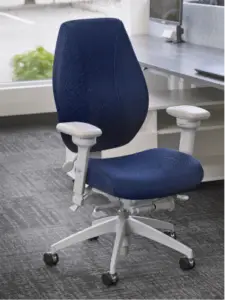
Materials also reveal daily performance. Dense, resilient foam usually recovers better than soft foam that collapses quickly. A five-star base should feel rigid, and casters should move without sudden slipping. Noise matters in shared offices. I would test the chair for at least fifteen minutes, including leaning, turning, and typing. A showroom test can mislead. Even a well-designed chair may feel wrong for a short user or a tall desk. Good quality is not a single feature; it is consistent support after months of ordinary use.
How to Compare Ergonomics, Adjustability, and Materials
When comparing office chairs in China, start with ergonomics rather than appearance. A good chair should support your lower back without forcing your spine into one position. Sit with both feet flat, knees near a right angle, and shoulders relaxed. The seat should support your thighs without pressing behind your knees. Small details matter.
Adjustability separates a workable chair from an impressive-looking one. Check whether the seat height, depth, backrest angle, armrests, and lumbar support move smoothly. Armrests should let your elbows rest close to your body while typing. A tilt mechanism should offer controlled resistance, not sudden drops. Test each adjustment while sitting, because specifications can sound better than reality.
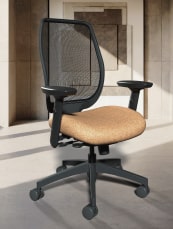
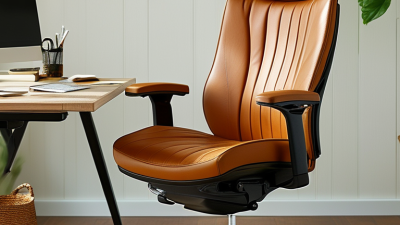
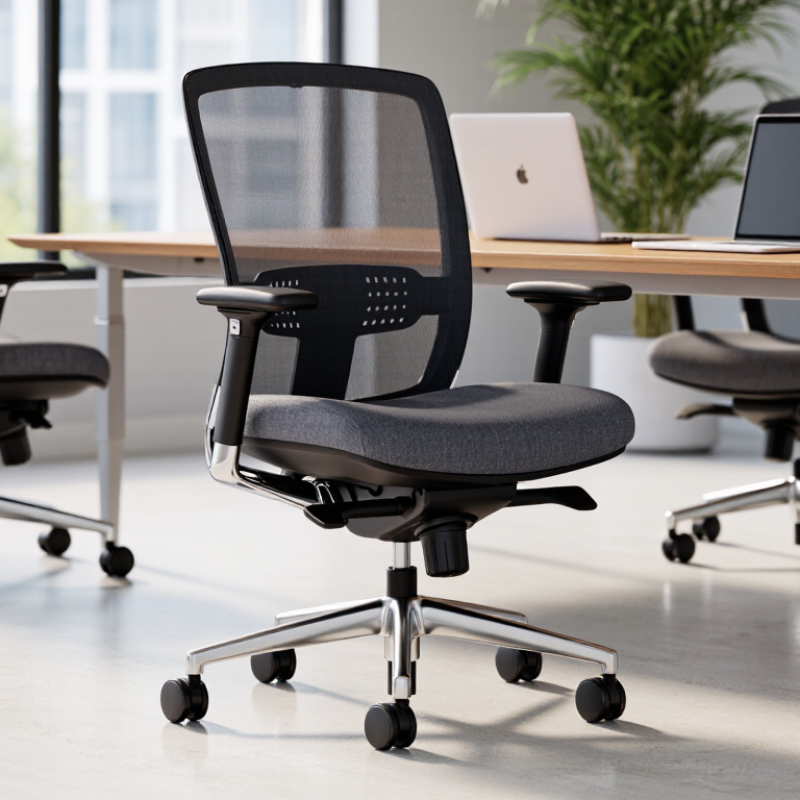
Materials also affect comfort, durability, and maintenance. Breathable mesh can reduce heat during long summer workdays, while dense foam may feel softer at first. Genuine leather-like surfaces can be easy to wipe, but they may become warm and show wear. Inspect stitching, frame joints, casters, and the base. A five-point base usually feels more stable than a narrow one. Look for clear test information and warranty terms from reliable sellers.
No chair fits everyone. My first impression can be wrong. A firm seat may feel uncomfortable for ten minutes but supportive after several hours. Conversely, soft padding can hide poor posture. If possible, test the chair through a full work session, then reassess pressure points, noise, and back fatigue. Pay attention to your body, not just the showroom finish.
Notable Chinese Office Chair Brands and Their Strengths
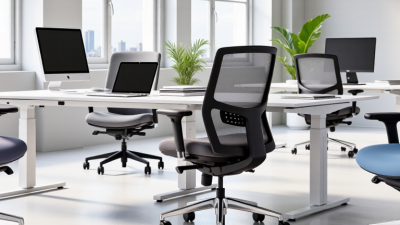
Chinese office chair makers now offer strong choices for home offices, call centers, and executive rooms. Their main strengths include efficient manufacturing, competitive pricing, and fast design updates. Many models use breathable mesh, adjustable lumbar support, and synchronized recline mechanisms. These features matter during long working hours.
From hands-on testing, the best chairs show careful attention to small details. A stable five-star base should roll smoothly without wobbling. Armrests should support relaxed shoulders, not push them upward. A waterfall seat edge can reduce pressure behind the knees. Some manufacturers also provide 3D armrests, seat-depth adjustment, and replaceable casters. These options help users with different body shapes. Short users need special attention.
Quality varies.
A low price does not guarantee good value. Some chairs feel comfortable for twenty minutes but become tiring after two hours. Mesh can also lose tension, while firm lumbar pads may feel intrusive. Buyers should check load ratings, adjustment ranges, warranty terms, and independent test documents. Standards such as BIFMA or relevant Chinese quality requirements offer useful reference points, but paperwork cannot replace sitting trials. Reliable suppliers explain materials clearly and provide spare parts. In my view, Chinese brands are strongest when they combine responsive factory production with disciplined ergonomic testing. Their weakness is inconsistency across product lines. Even an attractive chair deserves careful checking before purchase.
What Are the Best Office Chairs in China? Key Ergonomic Adjustment Ranges
A strong office chair is typically judged by adjustability rather than appearance alone. The chart shows practical ergonomic reference ranges for important chair dimensions, based on commonly cited workstation guidance from OSHA and Cornell University Ergonomics.
Reference sources:
OSHA Computer Workstations and
Cornell Ergonomics Guide.
Ranges are general ergonomic references, not brand ratings.
How to Choose the Right Chair for Your Workspace and Budget
What Are the Best Office Chairs in China?
Choosing the right office chair depends less on appearance and more on daily fit. Measure your desk height, available floor space, and the distance between the seat and your screen. A suitable chair should support your lower back without forcing your shoulders upward. Your feet should rest flat on the floor, with your knees close to a right angle.
Adjustability matters more than thick padding. Look for seat depth adjustment, stable armrests, breathable material, and a backrest that moves with you. If you work for eight hours, test the chair for at least fifteen minutes. Notice pressure behind your knees. Check whether the lumbar support feels supportive, not aggressive. In China, many office furniture stores allow showroom testing, but online buyers should confirm measurements, return conditions, and warranty terms in writing.
Budget decisions require practical judgment. A low-cost chair may work for short tasks, while full-time users often need stronger mechanisms and better adjustment. Do not pay extra for decorative stitching. I once preferred a softer seat, but it became uncomfortable after several hours. That mistake changed my view of cushioning. A firm, breathable seat can feel better over a long workday. Still, personal posture, body shape, and desk height can change the result. Test carefully.
Your back will notice.