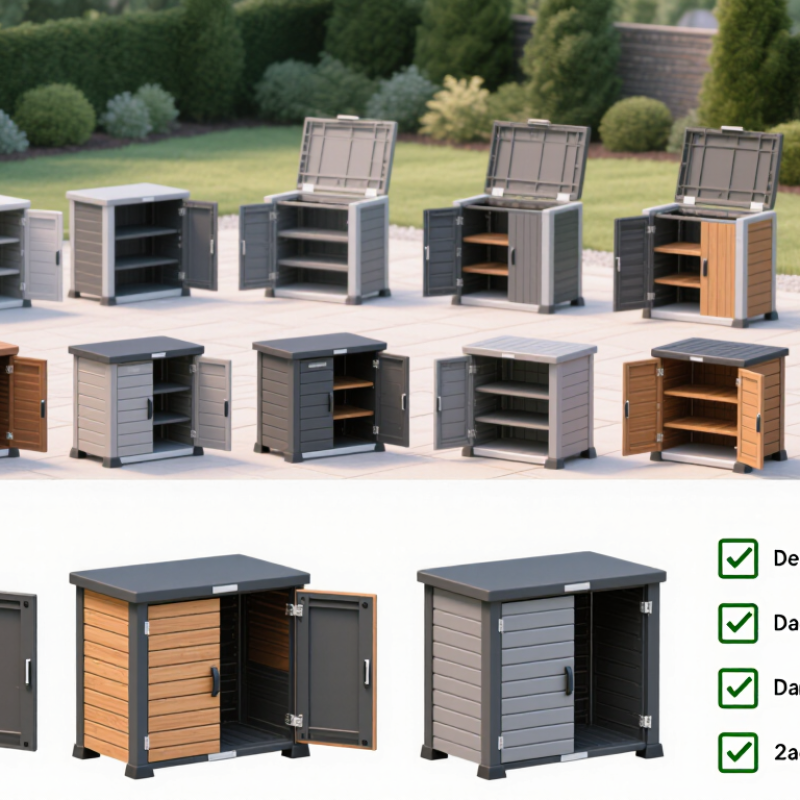
| Plastic or resin cabinet manufacturers | Molded plastic panels or components, often assembled with shelves, doors, and plastic or metal fittings. | Low maintenance; no metal rust; lightweight construction; molded parts can support repeatable designs. | UV resistance, stiffness, and impact performance vary by resin, additives, wall design, and exposure. Lightweight units may need anchoring. | Garden tools, patio supplies, pool accessories, and general household storage. | Ask for material specifications, UV-weathering evidence, load limits, assembly instructions, and anchoring provisions. |
| Metal cabinet fabricators | Formed sheet metal, typically steel or aluminum, with a protective finish and assembled doors, shelves, and hardware. | Rigid construction; can support heavier loads when designed accordingly; fabrication can accommodate different sizes and layouts. | Steel can corrode if its coating is damaged or unsuitable for the environment. Metal cabinets can heat up in direct sun and may require drainage or ventilation details. | Utility areas, maintenance supplies, equipment storage, and locations needing a more rigid enclosure. | Check base-metal and coating specifications, corrosion-test reports where relevant, edge protection, weld quality, and stated shelf capacity. |
| Outdoor wood cabinet makers | Solid wood or wood-based panels with an exterior finish, plus doors, hinges, and sometimes a protective roof or base. | Natural appearance; designs can suit garden or patio settings; repairs and finish renewal may be possible. | Wood responds to moisture and temperature changes. Durability depends on species, panel construction, joinery, finish, and ongoing maintenance. | Covered patios, garden settings, and storage where appearance is a priority. | Confirm wood or panel type, exterior finish system, exposed-edge treatment, maintenance guidance, and whether the unit is designed for uncovered exposure. |
| OEM/ODM cabinet manufacturers | Products made to a buyer’s specification (OEM) or developed with the supplier’s design input (ODM); materials and processes vary. | May support custom dimensions, finishes, packaging, and product configurations, subject to tooling and production capability. | Customization can affect tooling cost, lead time, minimum order quantity, and sample approval. An OEM/ODM description alone does not confirm outdoor performance. | Projects requiring specified dimensions, private-label production, or coordinated product development. | Clarify design ownership, tooling charges, sample sign-off, change control, minimum order, and production quality checks. |
| Export-oriented sourcing or trading suppliers | May source cabinets from one or more factories; product materials, designs, and manufacturing arrangements depend on the specific item. | Can coordinate quotations, product options, export documentation, and consolidated orders across a supplier network. | The seller may not control production directly. Factory identity, specifications, and quality practices should be confirmed for each order. | Buyers comparing product ranges or seeking help coordinating international procurement. | Ask who manufactures the product, how specifications are controlled, who inspects it, and how defects or replacements are handled. |