20% off Demo Text

Top Antique Stained Glass Panels Suppliers Worldwide

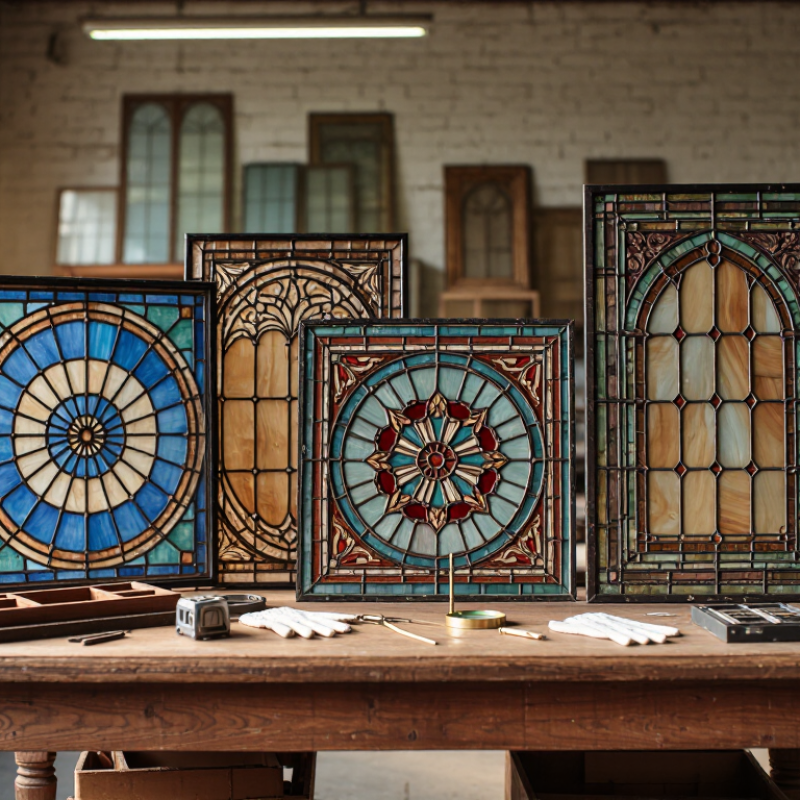
Finding reliable Antique Stained Glass Panels suppliers requires more than comparing photographs and prices. These panels may carry traces of churches, private homes, workshops, or forgotten architectural projects. Their colors, solder lines, glass texture, and painted details can reveal age and craftsmanship. A reputable supplier should explain each panel’s origin, condition, restoration history, and documented measurements. Clear evidence matters.

This guide explores respected suppliers across major markets, including Europe, North America, and selected specialist regions. It considers workshop experience, conservation knowledge, custom framing, export preparation, and customer support. Some suppliers focus on genuine historical panels, while others offer carefully crafted reproductions inspired by older designs. The difference is important. It should never be hidden.

Buyers should inspect high-resolution images, ask about cracks and replaced pieces, and request packing details before purchasing. Antique glass can look stable in a photograph but feel fragile under changing temperature or transport vibration. Professional suppliers usually discuss protective glazing, wooden crates, insurance, and installation advice. Still, no supplier is perfect. Descriptions may vary, and provenance records can be incomplete. That is where careful questions become valuable.

The following overview aims to support informed decisions rather than promote a single seller. It balances artistic value, practical reliability, conservation ethics, and long-term ownership concerns. Because markets change, readers should verify current inventories, certifications, shipping terms, and restoration capabilities directly. Beautiful glass deserves careful handling. Age alone is not proof of quality.

Top Antique Stained Glass Panels Suppliers Worldwide

Defining Antique Stained Glass Panels and Their Historical Value

Antique stained glass panels are not simply old colored windows. They are architectural artworks made with techniques, materials, and designs associated with an earlier period. Many surviving examples date from the nineteenth or early twentieth century. Their glass may show tiny bubbles, uneven surfaces, hand-cut edges, or gentle color variations. These marks often reveal traditional production methods rather than manufacturing defects.

Historical value depends on more than age. A panel connected to a documented building, artist, workshop, or religious tradition may carry stronger cultural importance. Original lead came, painted details, and undisturbed glass can also support authenticity. However, dating is rarely absolute. Restoration can replace sections, strengthen joints, or alter the original appearance. That uncertainty deserves honest attention.

Experienced suppliers should provide clear photographs, measurements, condition reports, and provenance records. They should explain whether repairs use compatible materials and whether protective glazing has been added. In careful inspections, loose came, hairline cracks, darkened paint, and water marks deserve close review. Some damage looks minor but signals deeper movement in the panel. Conservation advice should favor reversibility and minimal intervention. A panel with visible wear may still hold greater historical value than a heavily rebuilt example. I have found that the most persuasive records also admit what remains unknown. That small gap can change how responsibly a collector, designer, or institution evaluates the piece.

Evaluating Supplier Expertise, Authenticity, and Restoration Standards

Top Antique Stained Glass Panels Suppliers Worldwide

Evaluating Supplier Expertise, Authenticity, and Restoration Standards

A reliable supplier should explain where each antique stained glass panel came from. Provenance may include estate records, architectural photographs, workshop notes, or previous conservation reports. Vague claims deserve caution. A polished website proves little.

Experienced suppliers usually identify glass types, construction methods, solder joints, and frame materials. Ask whether an expert examined the panel under natural light and magnification. Small bubbles, uneven coloration, and handmade tool marks can support age assessments. However, these details alone cannot guarantee authenticity. Even careful judgment has limits.

Restoration quality matters as much as historical value. Responsible conservators document every repair, including replaced glass, strengthened joints, and altered leading. Good work should stabilize the panel without erasing its character. Reversible methods are preferable where practical. Check for close color matching, secure edges, and controlled support during transport. A panel that looks flawless may contain excessive modern replacement glass. That is not always wrong, but it should be disclosed clearly.

Ask for condition photographs before purchase. Request measurements, weight, installation requirements, and conservation records. Suppliers with genuine expertise welcome precise questions and admit uncertainty when evidence is incomplete. That honesty is valuable. In some cases, the most trustworthy assessment is “unconfirmed,” followed by a sensible testing plan.

Top Antique Stained Glass Panels Suppliers Worldwide - Evaluating Supplier Expertise, Authenticity, and Restoration Standards

Evaluation Dimension What Should Be Verified High-Quality Supplier Practice Acceptable Evidence Risk Indicator Priority
Authenticity and Dating Whether the panel is genuinely historic, a period reproduction, or a modern decorative piece. Provides a written description of estimated date, style, construction method, later alterations, and known uncertainties. Provenance records, old photographs, estate documentation, auction records, or conservation reports. Uses terms such as “antique” without explaining age, origin, or uncertainty. Critical
Provenance Quality The documented ownership and location history of the panel. Separates confirmed information from assumptions and identifies gaps in the ownership chain. Invoices, inventory records, architectural surveys, dated photographs, or legally obtained transfer documents. Claims prestigious historic origin without documentary support. Critical
Material Examination Condition and compatibility of glass, lead came, solder joints, cement, putty, paint, and reinforcement. Uses close visual inspection, raking light, magnification, and condition mapping before recommending treatment. Photographic inspection records, glass-break maps, material notes, and a component-by-component condition report. Provides only general photographs with no detail on cracks, loose glass, corrosion, or failed joints. Critical
Conservation Philosophy Whether treatment protects historic fabric instead of unnecessarily replacing it. Follows minimum intervention, retains original material where stable, and makes repairs distinguishable when appropriate. Written treatment rationale based on recognized conservation principles, including reversibility where practical. Promotes complete rebuilding or extensive replacement as the standard solution. Critical
Restoration Expertise Practical experience with leaded panels, copper foil work, painted glass, structural bars, and historic glazing systems. Shows comparable completed projects and identifies which work is performed in-house or outsourced. Anonymized case studies, process photographs, conservation resumes, and documented project scopes. Relies only on general glass installation experience with no historic-panel portfolio. Critical
Glass Replacement Policy How missing or irreparably damaged pieces are replaced. Uses visually compatible replacement glass while recording the location and extent of every replacement. Replacement schedule, color and texture comparison, sample approval process, and final photographic record. Mixes modern glass into a historic panel without disclosure or documentation. High
Lead Came and Solder Work Condition of came profiles, joints, tie wires, reinforcing bars, and solder connections. Repairs only unstable areas when possible and records any came replacement or releading operation. Before-and-after images, structural assessment, solder repair notes, and a measured panel diagram. Uses uniform new came throughout without assessing whether historic came can be retained. High
Painted and Fired Details Stability of enamel, grisaille, stain, silver stain, and other fired or unfired surface decoration. Avoids aggressive cleaning and tests any cleaning method on a discreet area before wider use. Cleaning-test records, close-up photography, pigment or paint observations, and written limitations. Uses abrasive cleaning, uncontrolled chemicals, or polishing that may remove historic decoration. High
Structural Support Whether the restored panel can safely support its own weight and resist handling or installation stresses. Assesses panel size, bowing, wind exposure, frame condition, reinforcing bars, and support requirements. Measured drawings, installation details, frame inspection, and structural recommendations. Offers no support plan for large, bowed, heavy, or externally exposed panels. Critical
Protective Glazing Whether the historic panel needs an independent protective layer for weather, impact, or thermal exposure. Considers ventilated protective glazing, drainage, condensation control, access, and compatibility with the existing frame. Glazing-section drawings, ventilation details, safety-glass specification, and maintenance access plan. Seals the historic panel directly against exterior exposure without addressing condensation or movement. High
Documentation Standards Whether the full condition, treatment, materials, and final appearance are permanently recorded. Supplies a final report with photographs, dimensions, treatment history, replacement locations, and maintenance guidance. Digital and printed condition reports, panel diagrams, material lists, and dated completion photographs. Delivers the panel without a written record of work performed. High
Handling and Transport Protection against vibration, flexing, impact, moisture, and temperature changes during shipment. Uses rigid custom supports, vibration reduction, moisture protection, shock indicators where appropriate, and insured transport. Packing specification, handling instructions, insurance terms, and documented chain of custody. Ships panels in loose packaging or without clear orientation and unpacking instructions. High
Installation and Compliance Compatibility with local building, fire, security, access, and safety-glazing requirements. Coordinates installation details with the project architect, conservator, owner, and relevant local authorities. Installation drawings, product specifications, risk assessment, and confirmation of applicable local codes. Promises universal compliance without reviewing the destination building or jurisdiction. Critical
Maintenance and Warranty Post-installation inspection, cleaning limitations, environmental care, and remedy for workmanship defects. Provides written maintenance instructions, recommended inspection intervals, and clearly defined warranty exclusions. Maintenance schedule, warranty document, service procedure, and contact process for damage reports. Offers an unlimited warranty that does not define coverage, environmental conditions, or exclusions. High
Ethical and Legal Sourcing Whether the panel was obtained and exported legally, particularly for culturally significant or protected material. Provides ownership documentation and checks export, import, heritage, and customs requirements before shipment. Purchase documentation, export paperwork, customs information, and declarations regarding restricted cultural property. Refuses to disclose origin, ownership history, or applicable export documentation. Critical

Evaluation basis: accepted conservation principles, documented provenance practice, condition reporting, minimum-intervention restoration, safe handling, and compliance with the laws and building requirements applicable in the panel’s origin and destination jurisdictions. No company or brand data is included.

Comparing Leading Antique Stained Glass Panel Suppliers Worldwide

Comparing leading antique stained glass panel suppliers worldwide requires more than browsing attractive photographs. Experienced buyers examine provenance, restoration notes, and images taken in natural light. A credible supplier identifies the panel’s estimated period, glass type, dimensions, and previous repairs. Ask for close views of solder joints, paint loss, edge chips, and bowing. Small flaws matter.

The strongest suppliers combine historical knowledge with practical conservation skills. They can explain whether a panel uses mouth-blown glass, rolled glass, lead came, or replacement pieces. Their descriptions should separate verified facts from informed estimates. Request packing specifications, humidity guidance, installation limits, and a written condition report. Reliable communication matters across time zones. So does protective packaging.

Pricing comparisons should include restoration, crating, insurance, and installation advice, not only the purchase price. Suppliers with established records usually provide references, consistent measurements, and clear images of labels or workshop marks when available. Still, “antique” is not a guarantee of age. Provenance can be incomplete, and online color may mislead. I have found that a cautious supplier admits uncertainty rather than inventing a confident story. No panel is perfect. Buyers should leave room for conservation decisions after arrival, because hidden stress can appear when old lead meets a new frame.

Reviewing Materials, Custom Services, Pricing, and Shipping Options

Top Antique Stained Glass Panels Suppliers Worldwide

Experienced buyers should inspect more than color and age. Traditional panels may use mouth-blown glass, lead came, copper foil, or hand-painted details. I look for uneven textures, authentic solder lines, and stable framing. These details often reveal careful restoration rather than factory imitation. Ask suppliers for close photographs, material descriptions, conservation notes, and measurements before ordering.

Custom services vary widely. Skilled workshops can reproduce a missing border, adjust a panel to a window opening, or add protective glazing. Share a scale drawing and indoor lighting conditions. A small design change can affect glass selection, labor, and structural support. Pricing usually reflects rarity, panel size, restoration hours, and frame quality. Very low quotes deserve questions. They may exclude packing, finishing, or inspection.

Shipping requires equal attention. Reliable suppliers use rigid crates, corner protection, moisture barriers, and impact indicators. Request written details about insurance, tracking, delivery timing, and responsibility for transit damage. Import fees may also change the final cost. I once underestimated crating expenses on a small panel, which made the original quote misleading. My reviews are not perfect; photographs can hide hairline cracks and color differences. Ask for current images taken in natural light before payment.

Selecting the Right Supplier for Residential and Commercial Projects

Selecting an antique stained glass panel supplier requires more than attractive photographs. In residential work, I examine lead lines, glass texture, mounting depth, and daylight before approving a sample. A supplier should explain whether each panel is original, restored, or newly made in an antique style. Ask for close images of joints and edges. Small flaws matter. They may reveal honest age or careless repair. Reliable suppliers provide measurements, material notes, and written condition reports. They should also discuss safe glazing, ventilation, and support for heavy panels.

Commercial projects demand stricter coordination. Confirm production capacity, packing methods, delivery schedules, and installation guidance before signing. Request references from comparable hotels, offices, or public interiors. Check whether the supplier can repeat a pattern without making every panel look mechanically identical. That balance is difficult. Color shifts between batches can affect a long corridor or reception wall. A competent specialist will propose a physical mock-up and document approval stages. Ask how replacement pieces are sourced years later. Future maintenance is often ignored.

For international orders, clarify customs paperwork, insurance, declared dimensions, and responsibility for transit damage. Use a written specification covering glass type, frame finish, protective glazing, tolerances, and payment milestones. I prefer suppliers who answer technical questions directly, even when the answer is inconvenient. One project taught me that a beautiful sample cannot compensate for vague lead times. Allow contingency time, especially for conservation work. Never choose solely by the lowest quote; a cheaper frame or weak crate may create expensive repairs. Still, premium pricing is not proof of quality. Compare evidence, not promises.