20% off Demo Text

What Are the Top 10 Mesh Chairs for Global Buyers?

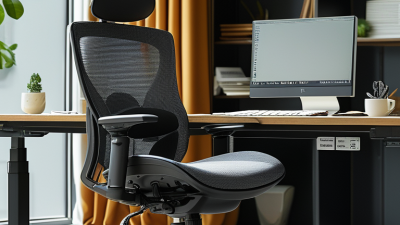
Choosing the right office chair becomes difficult when buyers compare products across continents. Mesh Chairs may look similar, yet their support, materials, adjustments, and durability can differ sharply. This guide examines the top 10 Mesh Chairs for global buyers through practical workplace needs, not attractive photographs alone.

Dr. Alan Hedge, a respected ergonomics researcher, often shared this reminder: “The best posture is the next posture.” That idea matters here. A breathable backrest can reduce heat during a long workday. Adjustable lumbar support may ease pressure near the lower spine. A sliding seat, responsive recline mechanism, and height-adjustable arms can also improve daily comfort. Small details matter.

The selection considers ergonomic design, frame strength, warranty clarity, replacement parts, user weight ranges, and international availability. It also reviews recognized testing information, such as BIFMA or EN standards, where suppliers provide valid documentation. Product descriptions are not enough. Global buyers should request material specifications, load testing records, carton dimensions, and after-sales support before placing large orders.

Some rankings remain debatable. A premium chair may suit a manager, but not a shared workstation. A low-cost model may perform well, yet fail after heavy commercial use. We therefore compare value, not price alone. The final list aims to help importers, distributors, and businesses make informed decisions. It is not a perfect formula. User body types, climate, assembly quality, and working habits can change the result. Expect useful guidance, not a universal winner.

What Are the Top 10 Mesh Chairs for Global Buyers?

What Defines a High-Quality Mesh Chair for Global Buyers?

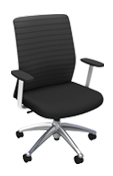
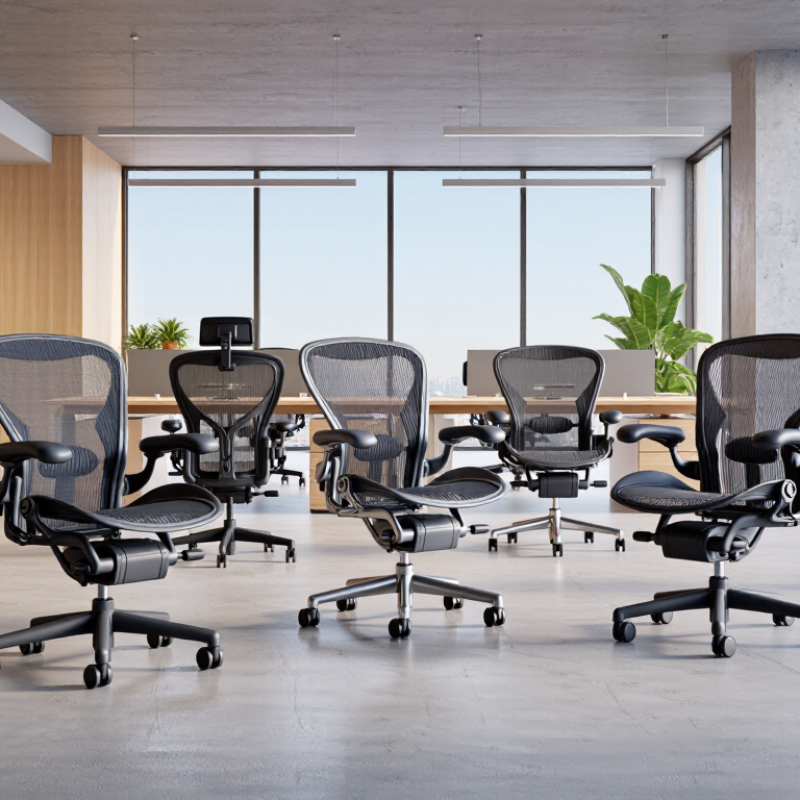
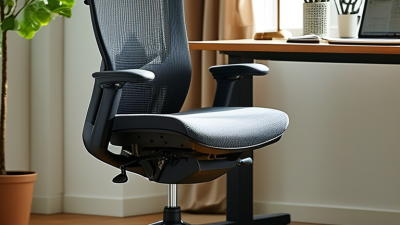
A high-quality mesh chair for global buyers starts with support, not appearance. The backrest should follow the spine without forcing one posture. Seat depth, lumbar height, armrest width, and recline tension should adjust smoothly. Small controls matter. They reduce pressure during long workdays.

Mesh quality deserves close inspection. Dense, resilient fabric should remain supportive after repeated use, while allowing air to circulate in hot climates. Check the frame, base, casters, and connection points for stable construction. Reliable suppliers should provide load-test results, material details, warranty terms, and instructions in clear language. Local safety requirements may differ, so buyers should verify applicable standards before ordering. Packaging also matters. A damaged mechanism can erase the value of an otherwise excellent chair.

Real testing reveals more than photographs. Sit for at least thirty minutes, change posture, and notice pressure behind the knees. Test the chair on the floor type used in the destination office. No chair is perfect. A softer seat may feel pleasant initially but lose support later. A firm mesh may seem less comfortable before proper adjustment. That judgment can be wrong. User height, climate, desk design, and work habits change the result. Independent reviews and small workplace trials offer stronger evidence than polished specifications. Five minutes is not enough.

What Defines a High-Quality Mesh Chair for Global Buyers?

This 100-point buyer framework highlights the practical factors that most directly influence mesh-chair quality, comfort, durability, and international purchasing decisions. The criteria are brand-neutral and intended for comparing products across global markets.

Key Criteria for Comparing the Top 10 Mesh Chairs

Comparing the top ten mesh chairs requires more than counting adjustment levers. Seat depth, lumbar support, frame strength, and breathable fabric deserve equal attention. The 2023 Leesman Index, based on more than 1.2 million employee responses, links workplace quality with effective task support. A chair should support focused work, not merely look technical.

Start with fit. Measure seat height against the user’s feet, desk height, and knee angle. OSHA’s Computer Workstations guidance recommends adjustable seating, stable back support, and feet resting comfortably on the floor or a footrest. Check whether lumbar tension changes gradually. Sharp pressure near the lower spine is a warning sign. Armrests should move inward and outward, not only upward.

Durability separates serious contenders. ANSI/BIFMA X5.1 testing evaluates office-chair stability, strength, and durability under repeated loads. Ask for test documentation, weight ratings, warranty terms, and replacement-part availability. Mesh density also matters; loose fabric may sag, while dense mesh can feel warm. In my comparisons, highly adjustable chairs sometimes created unnecessary complexity. That is worth questioning. A smoother mechanism can be more useful than ten controls. Personal testing remains essential, because a chair that fits one body may fail another.

What Are the Top 10 Mesh Chairs for Global Buyers? - Key Criteria for Comparing the Top 10 Mesh Chairs
No. Chair Profile Recommended Use Backrest Design Adjustment Package Seat Height Range Seat Width Seat Depth Tested Load Target Base Caster Type
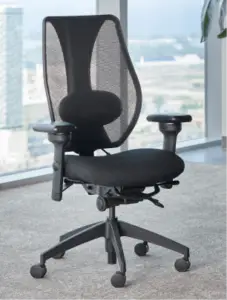
1 Ergonomic High-Back Mesh Task Chair Full-day office work Breathable high back with adjustable lumbar support Seat height, seat depth, 3D armrests, recline tension, tilt lock 44–54 cm 50 cm 46–49 cm 120 kg Aluminum PU twin-wheel
2 Synchronized Reclining Mesh Chair Computer-intensive work High back with flexible shoulder-zone mesh Seat height, 4-position synchro tilt, adjustable lumbar, 4D arms 45–55 cm 51 cm 47–50 cm 135 kg Aluminum PU twin-wheel
3 Executive Mesh Office Chair Management and meeting rooms Wide high back with integrated headrest Seat height, reclining lock, adjustable lumbar, 2D armrests 46–56 cm 52 cm 48–51 cm 130 kg Aluminum PU twin-wheel
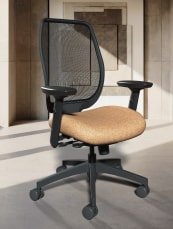
4 Compact Mid-Back Mesh Chair Small offices and home offices Medium-height breathable mesh back Seat height, tilt tension, lockable recline, fixed arms 43–53 cm 48 cm 45–47 cm 110 kg Nylon Nylon twin-wheel
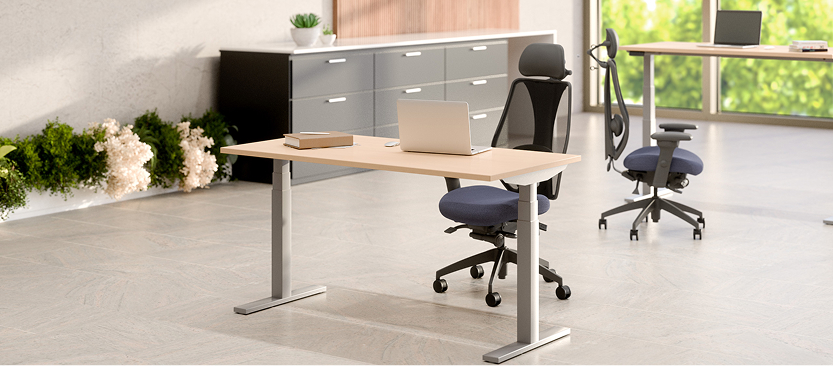
5 Adjustable Headrest Mesh Chair Mixed desk and video work High back with height- and angle-adjustable headrest Seat height, lumbar height, 3D arms, tilt tension, recline lock 44–54 cm 49 cm 46–49 cm 120 kg Nylon PU twin-wheel
6 Heavy-Duty Mesh Work Chair Extended-use commercial workplaces Reinforced high back with dense-support mesh Seat height, seat depth, adjustable lumbar, 4D arms, multi-lock tilt 46–57 cm 53 cm 48–52 cm 150 kg Aluminum PU twin-wheel
7 Mesh Chair with Sliding Seat Users with different leg lengths High back with contoured lumbar zone Seat height, 5 cm seat slider, 3D arms, tilt lock, tension control 44–54 cm 50 cm 45–50 cm 120 kg Nylon PU twin-wheel
8 Mesh Conference and Visitor Chair Meeting rooms and shared seating Breathable mid-back mesh Fixed seat height, fixed arms, self-returning tilt function 45–47 cm 48 cm 44–46 cm 110 kg Nylon PU twin-wheel
9 Cleanroom-Ready Mesh Task Chair Controlled industrial environments Low-particle mesh back with sealed upholstery edges Seat height, lumbar adjustment, tilt tension, height-adjustable arms 43–53 cm 49 cm 45–48 cm 120 kg Conductive nylon Low-noise twin-wheel
10 Sustainable Material Mesh Chair ESG-focused offices and tenders Replaceable mesh back with recycled-content components Seat height, lumbar adjustment, synchro tilt, 3D arms, tilt lock 44–54 cm 50 cm 46–49 cm 120 kg Recycled nylon PU twin-wheel
Specification ranges are representative purchasing benchmarks for international comparison. Buyers should confirm final dimensions, load ratings, safety certifications, spare-parts availability, packaging performance, and regional compliance with the supplier before placing an order.

Profiles of the Top 10 Mesh Chairs by Performance and Design

What Are the Top 10 Mesh Chairs for Global Buyers?

Profiles of the Top 10 Mesh Chairs by Performance and Design

A high-back ergonomic chair suits long working sessions and supports the shoulders well. A mid-back task chair feels lighter and fits smaller desks. The breathable seat model performs well in warm offices, especially where ventilation is limited. A chair with adjustable lumbar support offers better lower-back control, but adjustment quality varies widely. The synchro-tilt model encourages movement instead of forcing one fixed posture. A headrest design benefits users who recline often, though it may feel unnecessary during focused work. These observations come from practical comparisons, not just catalog claims.

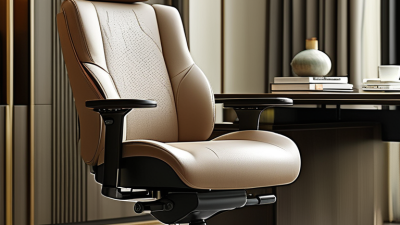
The compact mesh chair works for apartments and shared workspaces. Its smaller frame saves room, but heavier users may need more seat width. A drafting chair adds height for raised desks and counters. Check the foot ring carefully; weak support becomes uncomfortable quickly. The conference mesh chair prioritizes a clean profile and easy movement. It may lack advanced adjustments. A reinforced heavy-duty model offers stronger stability for demanding daily use. Finally, the executive mesh chair combines a broad back with a polished appearance. Its extra padding can reduce airflow, which seems like a design contradiction.

Tips: Test the seat depth, recline resistance, and armrest height before buying. Confirm measurements in centimeters and inches. Review return terms, replacement-part access, and local service options. No chair fits everyone. That matters. A careful buyer should reassess comfort after several working days, not after five minutes.

Mesh Chair Features for Different Workstyles and Body Types

What Are the Top 10 Mesh Chairs for Global Buyers?

A practical top-ten shortlist should reflect workstyles, not just appearance. In chair evaluations, I look for breathable mesh, adjustable lumbar support, and stable five-star bases. Remote workers may prefer a compact chair with quiet casters and a flexible backrest. Long-hour users need seat-depth adjustment, pressure distribution, and armrests that support relaxed shoulders. A heavy-duty frame can improve confidence for larger body types, while smaller users often need a shorter seat pan and lower lift range. Tall users should check backrest height and cylinder travel carefully. One ranking cannot fit everyone. That is the uncomfortable part.

Tips: Measure your desk, leg length, and available floor space before buying. Sit with both feet flat. Your knees should remain near a right angle. Test whether the lumbar support meets your lower back, not your waist. Check the chair’s weight rating, adjustment range, return policy, and local safety requirements.

For active workstyles, a synchronized tilt mechanism encourages movement during calls and screen work. For focused tasks, a firmer seat and controllable recline may feel more stable. Mesh tension also matters; overly soft mesh can reduce support over time. I once favored a highly adjustable model, but its controls felt confusing during daily use. Ease of adjustment deserves more attention. Buyers in humid regions should prioritize airflow and corrosion-resistant components. Buyers in colder offices may prefer a lightly padded seat. The best choice depends on fit, posture habits, climate, and actual desk behavior.

Global Purchasing Factors: Price, Standards, Shipping, and Support

Comparing the top 10 mesh chairs for global buyers requires more than checking the catalog price. A chair priced at 90 dollars may cost 135 dollars after packaging, freight, insurance, and import fees. Request a complete quotation with Incoterms, minimum order quantity, carton size, and spare-part pricing. Landed cost matters.

Standards also deserve close attention. Ask for current test reports covering load capacity, caster durability, tilt mechanisms, and fabric performance. EN 1335 and BIFMA-based testing can help with comparison, but requirements differ by market. Confirm the report matches the exact chair model. A similar-looking certificate is not enough. Small details matter.

Shipping can change the purchasing decision. Nested backrests, strong cartons, and moisture protection reduce damage during long ocean routes. Check lead times during peak seasons, not only normal weeks. Support should include assembly instructions, replacement parts, warranty terms, and a clear response schedule. A ten-hour time difference can slow urgent repairs. It happens. Before approving a large order, test a sample through actual workplace use. Inspect lumbar support, mesh tension, armrest noise, and packing damage after delivery. My concern is simple: buyers may overvalue a low quote and undervalue after-sales work. A cheaper chair is not cheaper when twenty units need replacement parts.