| 1 | Confirm the operator and purpose | Look for a clearly displayed operator name, contact information, donation purpose, and local permit or authorization details where applicable. | Transparent operators explain who collects the clothing, how it is handled, and whether proceeds support a charitable or community program. | Clear information helps donors choose collection points that are accountable and aligned with local needs. | High importance |
| 2 | Review the accepted-item list | Check whether the bin accepts clean, dry clothing, shoes, accessories, household textiles, or only selected categories. | Specific acceptance rules reduce contamination and make sorting, reuse, and recycling more efficient. | Better-sorted donations are more likely to be reused or directed to textile-recovery channels instead of becoming waste. | High importance |
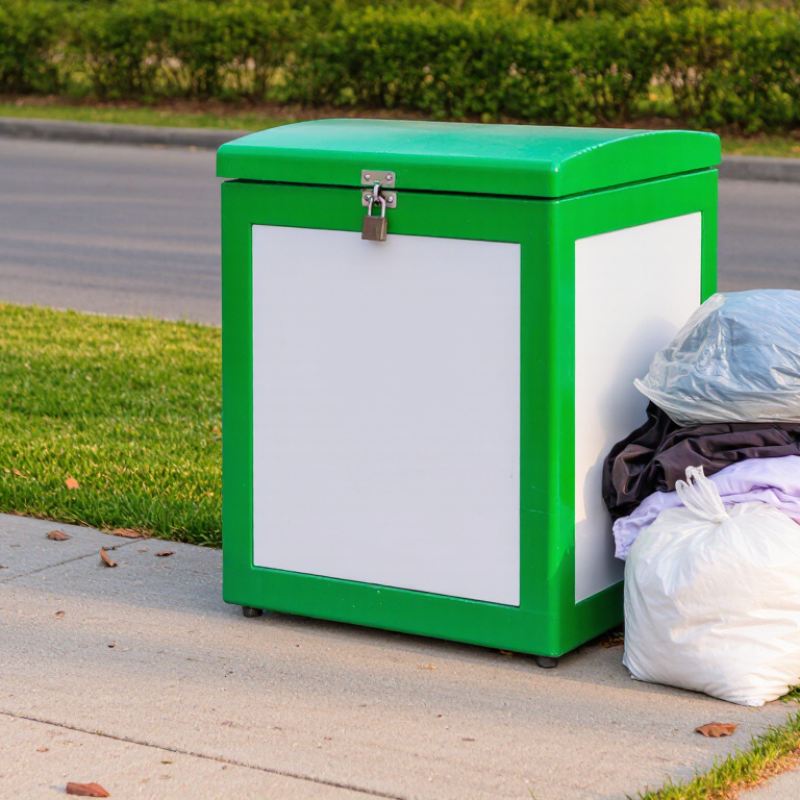
| 3 | Inspect weather protection and security | Choose a bin with a closed deposit slot, a stable structure, and protection from rain, snow, standing water, and unauthorized removal. | Dry, secure containers help preserve textile quality and reduce damage caused by moisture, mold, pests, or vandalism. | Usable clothing retains greater value, increasing the potential benefit to resale, reuse, or community distribution programs. | High importance |
| 4 | Compare collection frequency | Prefer a site with a visible service contact or collection schedule, and avoid bins that are repeatedly overflowing. | Regular servicing prevents bags from accumulating around the container and helps maintain safe access for donors and pedestrians. | Clean, accessible sites encourage continued participation and reduce litter-related costs for surrounding communities. | High importance |
| 5 | Consider location accessibility | Compare walking distance, parking, lighting, public-transit access, and whether the site is usable for people with mobility limitations. | Convenient placement in permitted, well-maintained locations supports safer and more consistent donations. | Accessible bins can broaden participation and make donation opportunities more equitable across neighborhoods. | Medium to high |
| 6 | Ask how textiles are sorted | Look for information about the sorting process, including pathways for wearable items, damaged textiles, shoes, and unusable materials. | A responsible system prioritizes reuse where practical and sends unsuitable textiles to appropriate recycling or recovery channels. | Sorting supports resource conservation, extends garment life, and can reduce the amount of textile material sent to disposal facilities. | High importance |
| 7 | Evaluate measurable community impact | Check for public information about donation volumes, funding allocation, local partnerships, employment, or service outcomes. | Impact reporting should distinguish collected weight from actual reuse, recycling, charitable funding, or community services delivered. | Evidence-based reporting helps donors support programs that provide tangible social, environmental, or economic value. | High importance |