| 1 | Choose the right diameter | A 10–12 inch skillet is suitable for most household cooking. Smaller pans are easier to handle, while larger pans provide more cooking space. | Larger skillets are heavier and require more careful drying and storage. | $70–$250 | Confirm the measured cooking surface, overall diameter, weight, and whether the listed dimensions are actual or nominal. |
| 2 | Verify the forging method | Look for clear information about hand hammering, hot forging, metal thickness, and finishing work rather than vague handmade claims. | Hammer marks may create an uneven surface that needs thorough drying after washing. | $100–$350 | A trustworthy seller explains the production process, materials, measurements, and expected variations in each piece. |
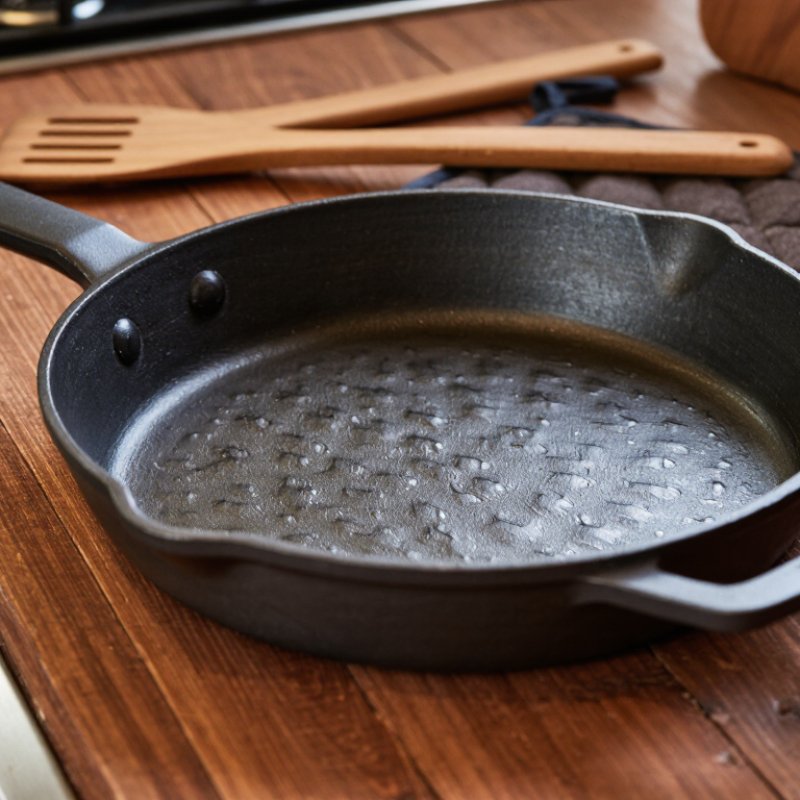
| 3 | Check the cooking surface | Compare a smooth, lightly textured, or visibly hammered interior. The surface should be free from sharp burrs, deep cracks, and unstable flakes. | A textured surface can hold seasoning well but may require a soft brush to remove food residue. | $80–$300 | Read reviews that include photographs of the actual cooking surface, not only promotional images. |
| 4 | Confirm the metal type | Carbon steel is lighter and usually responds faster to temperature changes; cast iron retains heat longer but is generally heavier. | Both materials benefit from drying and a thin protective oil layer. Carbon steel may need more frequent seasoning during early use. | $60–$250 | The product description should identify the metal clearly and avoid unsupported claims about coatings or composition. |
| 5 | Assess handle design | Compare handle length, grip shape, balance, helper-handle availability, and clearance from the cooking surface. | Bare metal handles become hot and require an oven mitt or handle cover during stovetop and oven use. | $80–$300 | Check customer feedback for comments about balance, loose fittings, sharp edges, and handle temperature. |
| 6 | Check cooktop compatibility | Review whether the base is stable and suitable for gas, electric, glass, induction, or oven cooking. | Rough or uneven bases can scratch glass cooktops and should be handled carefully. | $70–$280 | Look for explicit compatibility statements and a clear returns policy if the pan does not sit flat. |
| 7 | Understand seasoning requirements | Determine whether the skillet arrives raw, pre-seasoned, or coated with a temporary protective oil. | Wash according to the care instructions, dry immediately, and apply a very thin layer of cooking oil when needed. | $60–$250 | A reliable seller provides practical seasoning instructions, cleaning guidance, and warnings against prolonged soaking. |
| 8 | Compare weight and wall thickness | Compare total weight, rim thickness, heat retention, and ease of lifting with one hand. | Heavy cookware is durable but takes longer to cool and should be dried before storage to prevent rust. | $80–$350 | The listing should provide an accurate weight in both the product details and shipping information. |
| 9 | Evaluate price against included service | Compare material quality, finishing, pre-seasoning, packaging, warranty, and shipping rather than judging price alone. | Higher prices do not eliminate routine care; all uncoated iron cookware needs drying and protection from moisture. | $50–$400+ | Compare the total delivered cost, warranty length, replacement terms, and return shipping conditions. |
| 10 | Review long-term customer feedback | Prioritize reviews mentioning warping, rust, sticking, delivery damage, durability, and customer-service response. | Even a well-made skillet can rust if left wet or stored with trapped moisture, so care-related feedback is especially useful. | $70–$350 | Look for a consistent review history, verified purchases, recent feedback, transparent responses, and an accessible contact method. |