| Definition | What it is | Konjac green bean noodles are noodle-shaped products made primarily from konjac glucomannan. The name may also be used for noodles that combine konjac with mung bean starch. | Check the ingredient list to confirm whether mung bean starch is included. |
| Main Ingredient | Konjac glucomannan | A soluble dietary fiber obtained from the konjac plant. It forms a gel-like texture when combined with water and an alkaline setting agent. | The texture is usually springy, chewy, and more translucent than wheat noodles. |
| Appearance | Color and shape | They are commonly white to translucent and may be sold as thin noodles, strands, or ribbon-like pieces. | Choose thinner strands for soups and wider strands for stir-fries or cold salads. |
| Nutrition Profile | Typical characteristics | Plain konjac noodles are generally very low in calories and digestible carbohydrates and provide glucomannan fiber. Exact values vary by product and serving size. | Use the package nutrition panel for precise calories, fiber, sodium, and carbohydrate amounts. |
| Rinsing | First preparation step | Drain packaged noodles and rinse them thoroughly under cool or warm running water to remove the liquid used for preservation. | Rinse for about 30–60 seconds, then drain well. |
| Boiling | Softening method | Simmer rinsed noodles in water for approximately 2–3 minutes. Boiling can soften the texture and reduce residual odor. | Drain immediately to prevent the noodles from becoming waterlogged. |
| Dry-Frying | Texture-improving method | Place drained noodles in a dry nonstick skillet over medium heat and cook for about 3–5 minutes, stirring frequently, until excess moisture evaporates. | Add sauce only after the noodles have dried slightly so the flavor clings better. |
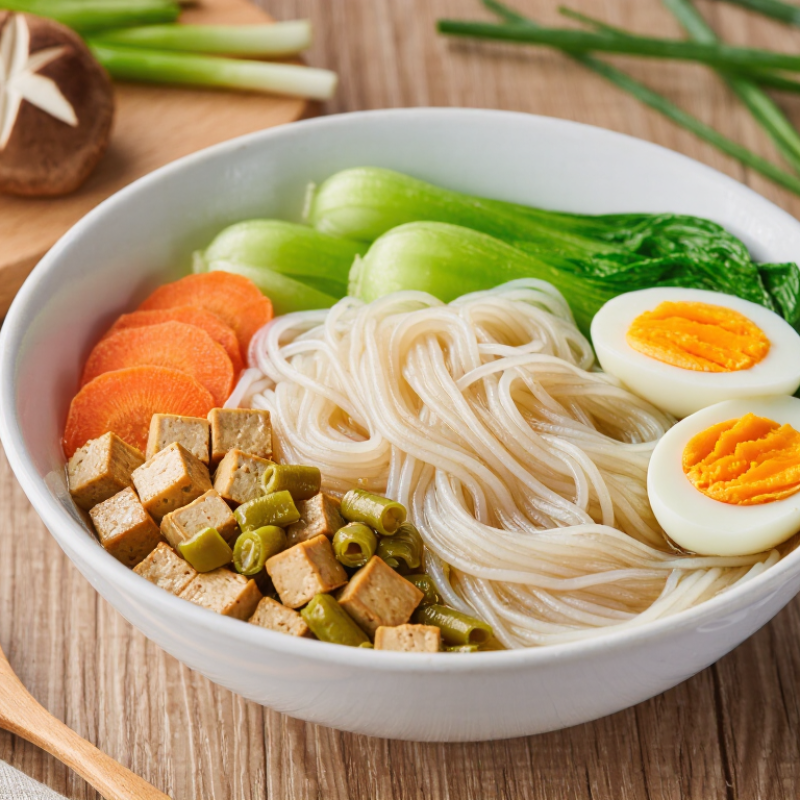
| Stir-Frying | High-heat cooking | After rinsing and draining, stir-fry the noodles with vegetables, tofu, seafood, meat, or a preferred sauce. | Cook other ingredients first and add the noodles near the end. |
| Soups and Broths | Best use | The noodles can be added to clear soups, hot pots, miso-style broths, and spicy noodle soups. | Add them during the final few minutes because they heat quickly. |
| Cold Dishes | Salads and chilled bowls | Rinsed and well-drained noodles work in cold salads with cucumber, carrot, herbs, sesame, vinegar, or chili-based dressings. | Pat dry or spin thoroughly before dressing to avoid diluting the sauce. |
| Flavor Pairings | Suitable sauces | Because the noodles have a mild flavor, they pair well with soy-based, sesame, garlic, ginger, curry, tomato, and chili sauces. | Use a flavorful sauce with moderate thickness for better coating. |
| Unopened Storage | Shelf-stable packages | Many commercially packaged konjac noodles are shelf-stable before opening. Store them in a cool, dry place away from direct sunlight. | Follow the printed best-before date and storage instructions on the package. |
| Opened Storage | Unused noodles | Transfer unused noodles to a clean, covered container and refrigerate them if the package instructions allow storage after opening. | Keep the noodles covered and use them promptly, checking for changes in smell, color, or texture. |
| Cooked Storage | Leftovers | Refrigerate cooked noodles and dishes in a sealed container. Refrigerate perishable additions such as meat, seafood, eggs, and dairy without delay. | Reheat gently and discard food that has been left at room temperature for too long. |
| Safety Note | Fiber intake | Konjac glucomannan absorbs water and contributes dietary fiber. Consume with adequate fluids and follow serving guidance, especially when adding it to a high-fiber diet. | People with swallowing or digestive difficulties should seek professional dietary advice before consuming. |