| Primary Raw Material | Konjac glucomannan extracted from the tuber of Amorphophallus konjac, commonly cultivated and processed in parts of East and Southeast Asia. | Raw-material availability is seasonal and sensitive to crop yields, agricultural costs, drying capacity, and export demand. | Request the origin of the konjac powder, extraction method, purity specification, and recent batch test results. |
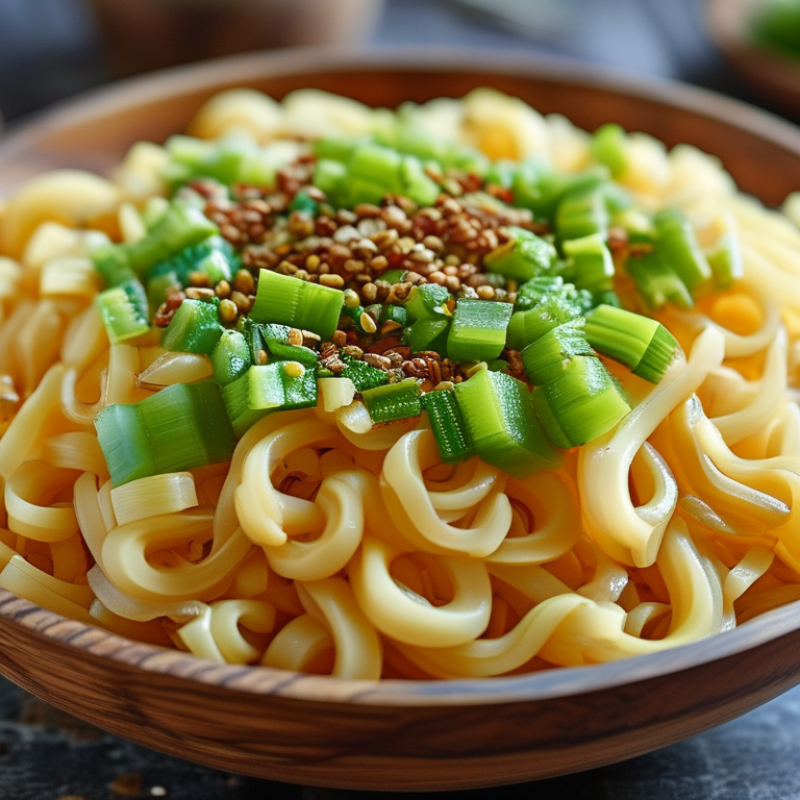
| Typical Product Formats | Shirataki-style noodles, rice-shaped products, fettuccine-style noodles, noodles packed in water, and dry konjac-based noodles. | Wet products usually have higher shipping weight because of water; dry products generally require more preparation before consumption. | Compare products on drained weight, net noodle weight, serving size, and finished-product yield rather than pack count alone. |
| Indicative Bulk Export Price | Approximately USD 1.20–3.50 per kilogram for standard bulk wet noodles, before international freight, duties, taxes, and retail packaging. Specialty organic, fortified, or private-label formats can be higher. | Price is mainly affected by glucomannan concentration, noodle shape, packaging format, order quantity, certification, and inspection requirements. | Obtain quotations on the same basis: product weight, drained weight, packaging, Incoterm, pallet configuration, and payment terms. |
| Retail-Ready Cost Structure | Retail packaging, cartons, labeling, quality testing, inland transport, customs brokerage, duties, and destination handling can add materially to the factory price. | A low ex-works price does not necessarily produce the lowest landed cost. | Build a landed-cost model using product cost, freight, insurance, duty, VAT or sales tax, broker fees, storage, inspection, and expected waste. |
| Recommended Order Quantities | Trial order: 1–5 pallets. Regular replenishment: approximately 10–24 pallets. Full-container planning depends on carton dimensions, pallet height, and product density. | Wet noodles can become volume-limited before they become weight-limited because water and packaging increase cubic utilization. | Ask for cartons per pallet, pallets per container, gross weight, cubic meters, and maximum stacking height. |
| Typical Production Lead Time | Standard stock or repeat production: about 15–30 days. New packaging, new formula, certification, or first-order approval: about 30–60 days. | Artwork approval, packaging-material procurement, laboratory testing, and production scheduling often create more delay than noodle processing itself. | Include written milestones for specification approval, packaging approval, production completion, inspection, and dispatch. |
| Ocean Transit Planning | East Asia to major European ports: commonly about 30–45 days port-to-port. East Asia to North American West Coast: often about 15–25 days. East Asia to North American East Coast: often about 30–45 days. | Actual transit varies with routing, transshipment, port congestion, blank sailings, weather, and customs holds. | Use a schedule buffer of at least 7–14 days for inventory planning and confirm the carrier's current sailing schedule. |
| Air Freight Use Case | Best suited to samples, urgent replenishment, regulatory testing, or small high-value shipments rather than routine wet-noodle volume. | Because wet noodles contain substantial water, air freight can make the landed cost commercially impractical. | Compare the cost of air freight with the cost of a planned safety-stock shipment by sea. |
| Recommended Incoterm | FOB or FCA is often useful when the buyer controls international freight. DAP can simplify delivery when the seller has reliable destination logistics. DDP requires careful tax and importer-of-record review. | Incoterms define transport responsibilities, cost allocation, and risk transfer; they do not automatically determine customs compliance. | Confirm the named place, transfer point, insurance responsibility, customs responsibility, and importer of record in the sales contract. |
| Likely HS Classification Area | Konjac noodles may fall within prepared pasta or other prepared food classifications, commonly within HS Chapter 19, but the exact code varies by product composition and importing country. | Incorrect classification can cause duty reassessment, customs delays, penalties, or labeling problems. | Obtain a binding tariff ruling or written classification guidance from the destination customs authority whenever the commercial value justifies it. |
| Customs Documentation | Commercial invoice, packing list, bill of lading or airway bill, certificate of origin where required, product specification, ingredient statement, and applicable health or food-safety documents. | Document consistency is essential: product description, quantities, weights, values, origin, and tariff classification should match across documents. | Check whether the destination requires sanitary registration, import permits, prior notification, or additional food declarations. |
| Food-Safety Testing | Common checks include microbiological limits, heavy metals, pesticide residues, preservatives, allergens, moisture, pH, and glucomannan or dietary-fiber content where claimed. | Testing requirements depend on the destination market, product recipe, processing method, and claims printed on the label. | Use an accredited laboratory and define sampling frequency, test methods, acceptance limits, and responsibility for non-conforming lots. |
| Shelf-Life Planning | Commercial shelf life is product- and process-specific. Wet shelf-stable noodles may commonly be designed for roughly 12–24 months when unopened, while dry products can differ substantially. | Long transit, customs storage, and retailer requirements reduce the remaining shelf life available at delivery. | Require real-time or accelerated stability evidence, storage conditions, lot coding, and minimum remaining shelf life at arrival. |
| Storage Requirements | Follow the validated label conditions. Shelf-stable products generally require clean, dry storage away from direct sunlight and excessive heat; chilled products require controlled refrigeration. | Temperature abuse, freezing, leakage, damaged pouches, and poor warehouse hygiene can reduce quality and increase claims. | Define acceptable temperature range, humidity controls, pallet protection, handling procedures, and inspection criteria at receipt. |
| Packaging Considerations | Common formats include pouches, trays, multilayer films, cartons, and food-contact inner packaging. Packaging must withstand compression, puncture, leakage, and ocean handling. | Packaging affects product protection, container utilization, recycling obligations, labeling space, and total landed cost. | Approve a production sample and verify seal strength, burst resistance, carton compression, barcode readability, and pallet stability. |
| Labeling Requirements | Typical information includes product name, ingredient list, allergen declaration where applicable, net quantity, nutrition information, lot code, best-before date, storage instructions, country of origin, and importer details. | Label rules differ across jurisdictions and may require local language, specific nutrition formats, or restrictions on health and weight-management claims. | Complete destination-market label review before printing packaging materials. |
| Supplier Qualification | Evaluate food-safety systems, traceability, production capacity, export history, complaint rate, audit results, laboratory controls, and business continuity planning. | Certification alone does not guarantee consistent product quality or reliable delivery. | Use a documented supplier scorecard and conduct a remote or on-site audit before approving regular production. |
| Quality-Control Checkpoints | Pre-production review, first-article or packaging approval, in-process checks, finished-goods testing, loading inspection, and destination receiving inspection. | Multiple checkpoints reduce the risk of discovering wrong labels, underweight packs, leakage, or microbiological failures after shipment. | Use an agreed inspection standard with sampling levels, defect classifications, tolerances, and corrective-action deadlines. |
| Payment-Risk Controls | For a new supplier, use staged payments linked to approved samples, production completion, inspection, and shipping-document release rather than paying the full amount upfront. | Payment structure should reflect supplier history, order size, tooling exposure, and the buyer's ability to recover funds. | Verify the legal entity, bank-account ownership, contract jurisdiction, refund terms, and change-of-bank-account controls. |
| Safety-Stock Policy | For ocean-import programs, a practical starting point is 6–12 weeks of additional demand coverage, adjusted for demand volatility and transit reliability. | Safety stock protects against port delays, production interruptions, customs holds, and unexpected demand increases. | Set reorder points using average weekly demand, demand variability, supplier lead time, transit variability, and minimum order quantity. |
| Dual-Sourcing Strategy | Maintain at least one qualified secondary source or an approved alternate production route for critical markets, subject to matching product specifications. | Dual sourcing reduces disruption risk but may increase testing, packaging, tooling, and qualification costs. | Confirm that alternate suppliers can match ingredients, texture, drained weight, packaging dimensions, certifications, and regulatory status. |
| Long-Term Contract Terms | Include price-adjustment rules, minimum and maximum volumes, forecast commitments, lead times, quality limits, audit rights, change-control procedures, recall responsibilities, and force-majeure provisions. | A transparent formula is generally more sustainable than an indefinite fixed price when raw materials, energy, labor, or freight costs fluctuate. | Review pricing quarterly or semi-annually and require documented evidence for material cost changes. |
| Most Important Landed-Cost Drivers | Product price, packaging, order volume, container utilization, ocean freight, inland haulage, customs duty, import taxes, brokerage, inspection, storage, and wastage. | The lowest unit quotation may be less competitive if it uses inefficient packaging or creates high logistics and handling costs. | Compare suppliers using delivered cost per kilogram of usable product and delivered cost per retail-ready unit. |
| Recommended 2026 Sourcing Sequence | Define specification → screen suppliers → test samples → validate labels → audit production → run a pilot order → inspect and import → measure landed cost → negotiate a framework agreement. | A staged process reduces the risk of scaling an unverified product or supplier. | Keep a written approval record for formula, packaging, label artwork, test reports, inspection results, and final commercial terms. |