| Ultraviolet Protection | A clearly stated UPF rating, preferably UPF 50+. | UPF 50+ transmits no more than 2% of UV radiation, equivalent to blocking at least 98% under the test conditions. | It provides stronger screening against ultraviolet exposure than lower-rated fabrics. |
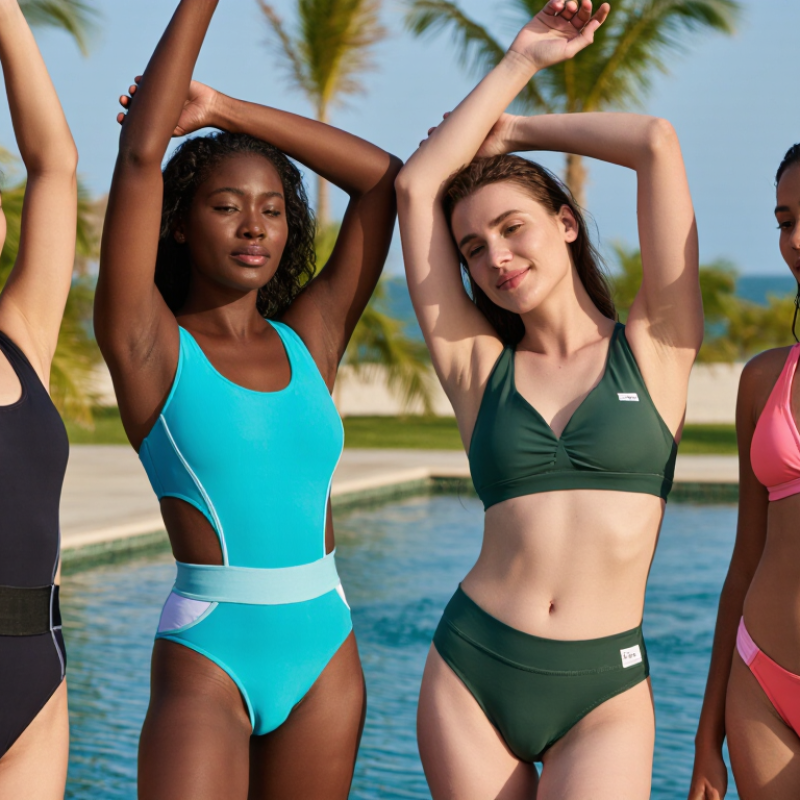
| Coverage | Long sleeves, a higher neckline, and coverage over the shoulders, back, and upper chest. | More fabric coverage generally leaves less skin directly exposed to sunlight. | UPF applies to the covered fabric, not to uncovered skin. |
| Fabric Construction | A dense, opaque knit with no visible thinning, holes, or excessive stretch. | Tighter construction and greater opacity generally reduce UV transmission. | Loose or stretched areas can allow more light to pass through than the original fabric state. |
| Wet and Stretch Performance | A fit that remains opaque and comfortable when wet and during movement. | Check whether the UPF claim covers the garment’s intended wet-use and stretched conditions. | Water, stretching, wear, and fabric damage may affect practical coverage and protection. |
| Fit and Mobility | A secure fit that does not create uncomfortable tension, gaping, or frequent readjustment. | The garment should stay in place while swimming, walking, or reaching. | A stable fit helps maintain intended coverage and reduces exposed areas during activity. |
| Color and Opacity | Opaque fabric with limited see-through effect, especially when wet. | Darker or more saturated colors can provide better UV absorption, but color alone does not prove a UPF rating. | Construction, fiber, dye, and condition all influence UV transmission. |
| Seams and Openings | Flat, secure seams and minimal gaps around the neck, arms, waist, and legs. | The UPF rating describes the tested material; uncovered openings still expose skin. | Design details determine how continuously the garment covers the body. |
| Durability | Fabric that retains shape, opacity, and seam strength after repeated use. | Replace the swimsuit if it becomes thin, faded, damaged, or excessively stretched. | Visible wear can reduce coverage and may alter the fabric’s protective performance. |
| Care Instructions | Follow the garment’s washing and drying instructions; rinse thoroughly after use. | Avoid practices that accelerate damage, such as unnecessary heat, harsh chemicals, or prolonged abrasion. | Maintaining fabric condition helps preserve fit, opacity, and coverage. |
| Overall Sun-Safety Plan | Combine UPF swimwear with shade, a broad-brimmed hat, sunglasses, and sunscreen on uncovered skin. | UPF clothing protects only the areas covered by the garment. | Layered protection is more comprehensive than relying on swimwear alone. |