How to Source Cornmeal Puffs Globally in 2026?
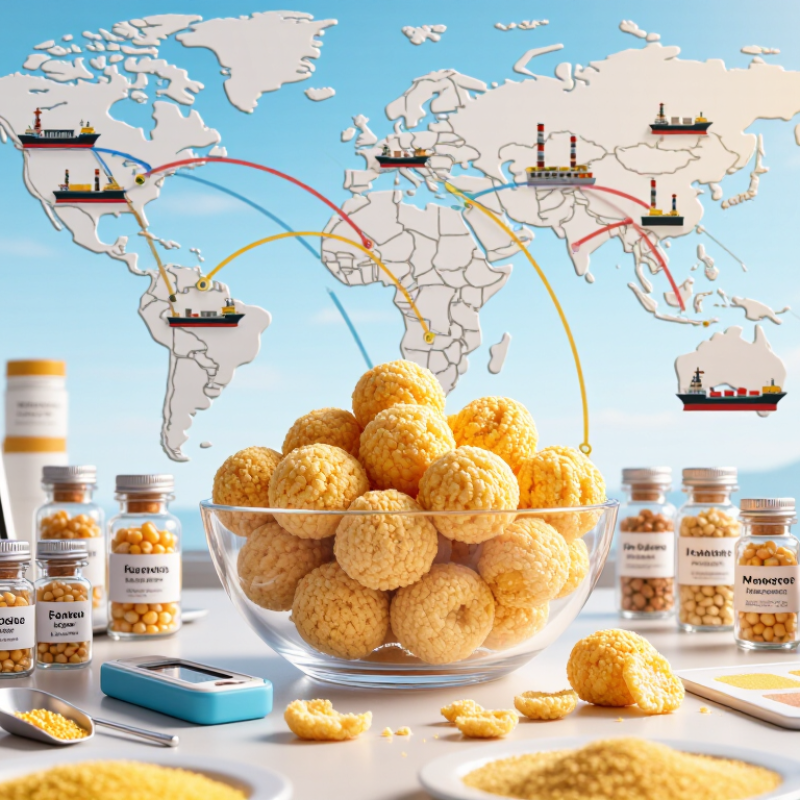
Sourcing Cornmeal Puffs globally in 2026 requires more than comparing supplier prices. Buyers must assess ingredient quality, production consistency, logistics, and documented compliance. A reliable supplier should provide a complete specification sheet. It should include corn origin, particle size, moisture limits, allergens, additives, and shelf life. Small details matter. One missing field can delay approval or create costly misunderstandings.
This guide examines practical sourcing methods for manufacturers, retailers, and foodservice distributors. It considers supplier verification, sample testing, factory audits, packaging performance, and shipment planning. Buyers should request recent certificates, traceability records, and independent laboratory results. They should also confirm labeling rules in every destination market. Requirements may differ across regions, even when the product appears identical. Freight rates, harvest conditions, port congestion, and exchange rates can change quickly in 2026. A strong purchasing plan needs alternative suppliers and realistic lead times.
Experienced teams usually test samples before signing large contracts. They check crunch, color, flavor, breakage, and performance after storage. Cornmeal Puffs may look uniform in a photograph, yet behave differently in humid warehouses. That risk deserves attention. No sourcing plan is flawless. Supplier information can be incomplete, and forecasts can become outdated. Buyers should record assumptions and review them regularly. Clear communication, ethical supplier relationships, and documented quality controls build trust. These practices support safer decisions and more dependable international supply.
Define Cornmeal Puffs Using HS 1904.10 and Codex Food Standards
Global sourcing of cornmeal puffs begins with a precise product definition. Under the Harmonized System, HS 1904.10 covers prepared foods obtained by swelling or roasting cereals or cereal products. Cornmeal puffs may fit this heading when milling, extrusion, and heating create a lightweight expanded snack. That distinction matters. Customs authorities may review the ingredient list, manufacturing process, product shape, and intended use. Added sugar, cocoa, fillings, or heavy seasoning can affect classification in some markets. Confirm the final code with an experienced customs broker before shipping.
Codex standards provide a useful technical reference, although national authorities decide how they apply locally. Review Codex requirements for food hygiene, contaminants, additives, and prepackaged food labeling.
Supplier documents should identify the corn source, batch number, allergen controls, moisture level, and shelf-life testing. A practical inspection can compare puff expansion, crispness, color, and broken pieces from several cartons. Packaging should protect the product from humidity during ocean transport.
I would also request recent laboratory results for mycotoxins and microbiological safety. Supplier paperwork is not always perfect. Inspectors should verify it against the physical goods.
A reliable sourcing file can include the product formula, process flow, HS rationale, Codex references, certificate of analysis, and destination-country requirements. Keep these records aligned. Small wording differences can create expensive delays.
Map Corn Supply with USDA WASDE 2025/26 Production Data
How to Source Cornmeal Puffs Globally in 2026?
The 2025/26 USDA WASDE report offers a practical starting point for cornmeal puff sourcing. It tracks production, imports, exports, feed use, and ending stocks across major growing regions. Use these figures to map supply before contacting processors. Compare the United States, Brazil, Argentina, China, the European Union, and other relevant origins. Production alone is not enough. A large harvest may still face strong domestic demand, limited transport, or tight export availability.
For each origin, build a simple sourcing map. Record projected production, crop timing, export capacity, and distance to the nearest suitable mill. Then check corn quality requirements, including moisture, kernel condition, mycotoxin controls, and consistency after grinding. WASDE data is authoritative, but it remains a forecast. Weather revisions can change the commercial picture quickly. I have found that a clean spreadsheet can create false confidence when local harvest reports are ignored. That weakness deserves attention.
Tips: Refresh the map after every WASDE update. Separate forecast data from confirmed shipment data. Ask suppliers for recent specifications and independent test results. Compare landed cost, not only the quoted grain price. A cheaper origin may become expensive after ocean freight, insurance, storage, and inland delivery. Keep at least two approved origins, but do not treat diversification as automatically reliable. Their crop calendars may overlap during a difficult season.
Global Corn Supply for Cornmeal Puffs: USDA WASDE 2025/26 Production Forecast
Selected major corn-producing origins, forecast production in million metric tons.
The United States and China provide the largest projected corn supplies for the 2025/26 marketing year, while Brazil, Argentina, the European Union, India, and Ukraine offer additional sourcing options. Production volume is an initial screening factor; cornmeal puff procurement should also consider export availability, freight routes, crop quality, food-grade specifications, and local regulations. Data are rounded USDA WASDE 2025/26 forecasts.
Calculate Landed Costs Using Incoterms 2020, Tariffs, and Freight Data
Sourcing cornmeal puffs globally in 2026 begins with a landed-cost worksheet, not a supplier quote. Record product value, packaging, origin, destination, currency, and shipment size. Under Incoterms 2020, EXW shifts export handling and inland pickup to the buyer. FOB normally includes export clearance and delivery aboard the vessel. CIF adds ocean freight and insurance to the named port, but excludes import clearance and inland delivery. DDP gives the seller broader delivery responsibility, subject to local capability.
Calculate landed cost per carton using this formula:
product price + origin charges + freight + insurance + duty + brokerage + destination delivery + tax
Keep recoverable VAT separate from the true cost. Apply the correct tariff classification to the finished puff, not only its corn ingredient. Duty may depend on HS codes, origin, trade preferences, and customs value. Check official tariff schedules before ordering. A broker’s estimate helps, but it is not proof.
Request ocean, air, and truck quotes with validity dates, fuel surcharges, port fees, and demurrage assumptions. Compare a 20-foot container with actual cubic utilization. Airy snack bags can waste expensive space. Use current lane data, then stress-test freight rising 25 percent and currency moving 10 percent. I have seen low FOB quotes lose their advantage after destination charges appeared. That mistake is avoidable, though not always. Build normal-transit and delayed-clearance scenarios. Confirm moisture protection, shelf life, and inspection documents before shipment. Recalculate after every quote revision.