20% off Demo Text

What Is Food Packaging and What Types Are Available?

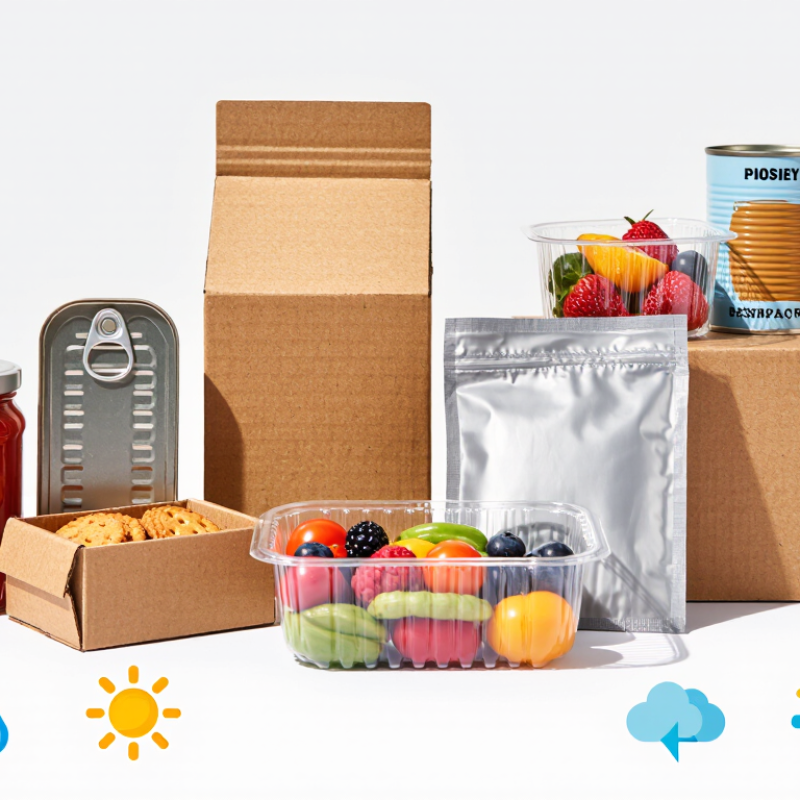
Food Packaging is the material and container system used to protect food, carry it, and share essential product information. A Food Pack might be a paper carton, glass jar, metal can, plastic tray, or flexible pouch. Some packs touch the food directly. Others group products for storage and transport. Simple idea. Many details.

The right format depends on the food, its journey, and how people will use it. A crisp snack needs a different barrier from fresh berries or soup. Packaging can help limit moisture, light, air, leakage, and handling damage, but no single material solves every problem. A sealed pouch may save space on a shelf, while a sturdy carton may stack more easily. These choices also affect opening, storage, and disposal.

This guide looks at common food packaging types and what each is designed to do. It considers rigid and flexible formats, familiar materials, and practical features such as closures and labels. Real-world performance depends on the product and the full packaging design, not just the material name. That distinction is easy to miss. Environmental impact also varies with material sourcing, production, food waste, and local recycling options. A package described as recyclable may not be accepted everywhere. Readers can use these basics to compare options and ask better questions about protection, convenience, and end-of-life handling. The trade-offs are not always tidy.

What Is Food Packaging and What Types Are Available?

What Food Packaging Is and Why It Is Used

Food packaging is the material that surrounds food during storage, transport, sale, and use. It may be a thin film around bread, a paperboard carton, a glass jar, or a sealed tray. Packaging can touch the food directly or provide an outer layer for handling and information. Its basic job is practical: keep food contained and make it easier to move, store, and identify.

Protection matters. A tight seal can limit moisture loss and exposure to air, while a sturdy container can reduce crushing during delivery. Packaging can also show ingredients, storage instructions, and dates. The Food and Agriculture Organization’s 2019 report estimated that 14% of food is lost between harvest and retail. Packaging is only one possible tool for reducing losses; it cannot fix poor storage or weak transport systems. Small details count.

There are trade-offs. A package that protects food may use more material, and not every local recycling system accepts every format. The United Nations Environment Programme’s Food Waste Index Report 2024 estimated that 1.05 billion tonnes of food were wasted in 2022 across households, food services, and retail. That figure does not measure packaging’s effect, but it shows why protection and waste prevention deserve attention. Packaging is not magic. Its value depends on the food, the journey, and what happens after use.

How Food Packaging Protects Food and Extends Shelf Life

Food packaging does more than hold a meal. A tight seal can limit exposure to oxygen, moisture, dust, and handling. For sliced bread, a moisture-resistant bag helps slow drying, while a clear window lets shoppers inspect the loaf. Light-sensitive foods may need opaque containers because light can affect flavor or nutrients over time. Small details matter. A pinhole or weak seam can undermine much of that protection.

Different foods need different barriers. Dry cereal benefits from packaging that resists moisture; fresh meat often uses leak-resistant trays and films that limit air contact. Some packages replace part of the air with selected gases, slowing certain quality changes. This does not make food sterile. Temperature still matters. A chilled product left warm can spoil even inside an intact package, and packaging cannot restore freshness lost before sealing.

Shelf life depends on packaging, processing, storage, and careful handling. Check seals, dates, and storage instructions, especially after opening. Resealing helps, but rarely recreates the original barrier. Packaging is easy to over-credit. It can preserve texture and reduce waste, yet extra layers may complicate disposal, and no single material suits every food. That trade-off deserves attention; more packaging is not always better.

Materials Commonly Used in Food Packaging

Food packaging materials are chosen to protect food from moisture, oxygen, light, and physical damage. Paper and cardboard are lightweight and easy to shape. They work well for dry foods, such as cereal or baked goods, but can soften when wet. Coatings can improve resistance, though they may make recycling more difficult. A crisp biscuit needs a dry barrier.

Glass provides a strong barrier against air and moisture, and it does not readily affect a food’s flavor. Clear jars also let shoppers see the contents. However, glass is heavy and can break during handling. Metal cans, commonly made from steel or aluminum, protect food from light and air. Their inner linings help prevent contact between the food and the metal, but the lining must suit the product.

Plastic packaging ranges from rigid tubs to thin films. Different plastics offer different levels of flexibility and barrier protection, so the right choice depends on the food and storage conditions. Some packs combine materials to improve performance, which can complicate sorting and recycling. Compostable materials may suit certain uses, but they need appropriate conditions to break down. No material is perfect. In practice, the useful question is whether the package protects the food without adding unnecessary material.

Types of Food Packaging by Shape and Format

Food packaging formats are shaped around how a product is filled, stored, opened, and served. Flexible pouches and sachets bend around dry snacks, powders, and sauces. They use less rigid material, but a poor seal can let in moisture or air. Small details matter. The Flexible Packaging Association’s 2023 State of the U.S. Flexible Packaging Industry report estimates 2022 sales at $42.9 billion, about 21% of the U.S. packaging market.

Rigid formats offer different handling advantages. A shallow tray keeps delicate foods in place; cups and tubs suit spoonable portions. Bottles and jars work for pourable products, while cartons stack neatly in a pantry. Cans protect contents from light and physical damage. The right choice depends on the food: an oily snack may need a stronger barrier than a dry biscuit. Seal quality and easy opening matter, too.

Shape affects more than shelf appearance. A wide opening helps with scooping, while a narrow neck controls pouring. A flat-bottom pouch may stand upright, yet it can be awkward to empty completely. Not always. Packaging decisions involve trade-offs among protection, transport, storage, and consumer use. A format that looks efficient on a shelf may feel clumsy in a wet hand, so practical testing with the actual product is valuable.

How Packaging Types Suit Different Foods and Uses

Food packaging should match a food’s moisture, fragility, and expected storage time. Dry grains often work well in sealed paper or plastic bags that limit spills and keep out household humidity. Fresh berries need a different approach. Vented trays reduce crushing and allow some airflow, though they offer less protection from drying. For soups and sauces, rigid tubs or lined cartons help contain liquid during transport. A secure lid matters.

Packaging also affects how food is handled and served. Glass jars resist odors and suit products that need a tight seal, but they are heavy and can break. Flexible pouches weigh less and take up little shelf space; however, they may be harder to empty completely. Hot takeaway meals usually need containers that tolerate heat without softening or leaking. Check the material’s stated use rather than assuming every container is safe for reheating. Cold foods need insulation only when temperature control is required; packaging alone cannot keep them safe indefinitely. I may be giving convenience too much weight here. In practice, disposal options and storage conditions can change which format makes sense. Even a well-designed package can fail if its closure is loose or its size leaves food exposed to air.

What Is Food Packaging and What Types Are Available? — How Packaging Types Suit Different Foods and Uses
Packaging Type Common Forms Foods It Commonly Suits Useful Properties Important Considerations Typical Uses
Glass Bottles, jars Sauces, jams, pickles, juices, oils Rigid and chemically stable; provides a strong barrier to gases and moisture; transparent or colored options are available. Heavy and breakable; transport and handling require care. The closure must also provide an effective seal. Retail storage, home use, and products that benefit from a rigid, reusable container.
Metal Steel or aluminum cans, trays, foil containers Canned vegetables, fish, soups, beverages, ready meals Strong barrier to light, oxygen, and moisture when properly sealed; suitable cans can be heat processed for shelf-stable foods. Can contents may need a protective internal coating. Packaging must be designed for the food and processing conditions. Long-life canned foods, beverage containers, and some oven-ready meals.
Paper and Paperboard Cartons, boxes, bags, sleeves Dry foods, bakery goods, cereals, takeaway foods Lightweight and easy to print; can provide shape and protection. Coatings or liners can improve resistance to grease or moisture. Uncoated paper is not a strong moisture or oxygen barrier. Recyclability depends on coatings, linings, and local facilities. Outer cartons, dry-food boxes, bakery bags, and food-service packaging.
Flexible Plastic Film Bags, pouches, wraps, lidding films Snacks, frozen foods, fresh produce, sliced foods Lightweight and formable; barrier performance varies by polymer, thickness, and structure. Some films can be heat sealed. Different films offer different levels of protection. Food-contact suitability and end-of-life options depend on the specific material and local rules. Portion packs, frozen-food bags, produce packs, and sealed pouches.
Rigid Plastic Bottles, tubs, trays, cups, clamshells Dairy products, fresh produce, sauces, prepared meals Lightweight and shape-retaining; can help protect foods from physical damage. Some formats are designed for hot filling or microwave use. Heat resistance, barrier performance, and food-contact suitability vary by material and design. Follow the package’s use instructions. Refrigerated foods, beverages, takeaway meals, and produce containers.
Composite or Multilayer Packaging Layered cartons, laminated pouches Long-life beverages, soups, sauces, snacks Combines materials to provide properties such as strength, sealing, and protection from light, oxygen, or moisture. Layers can be difficult to separate, so recycling availability varies by package design and location. Aseptic beverage cartons, shelf-stable food packs, and high-barrier pouches.
Vacuum Packaging Vacuum-sealed bags and trays with lidding film Meat, fish, cheese, coffee, some prepared foods Removes much of the air around a product, which can slow oxidation and help limit some forms of spoilage. Vacuum packaging does not make food sterile or eliminate all hazards. Refrigeration, freezing, or other required controls must still be followed. Refrigerated or frozen storage, portioning, and retail display.
Modified-Atmosphere Packaging (MAP) Gas-flushed trays, sealed pouches Fresh meat, poultry, seafood, salads, bakery products Uses a selected gas mixture inside a sealed pack to help maintain product quality or appearance for a specific food. Gas composition, film barrier, seal integrity, and temperature control must be matched to the product. It is not a substitute for safe handling. Chilled retail foods with a controlled distribution and storage chain.

Note: Packaging suitability depends on the food, processing method, storage temperature, shelf-life needs, and applicable food-contact regulations. Always follow the package’s handling and storage instructions.

Article Source: