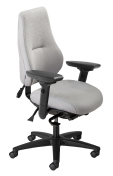
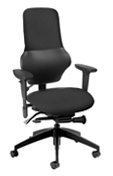
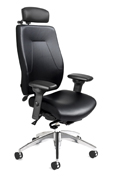
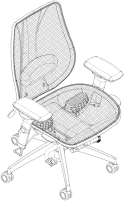
| Styling Chair | Static load capacity | Design target of at least 120 kg user load, with a safety margin defined by the test laboratory. | No permanent deformation, structural cracking, or loss of function after load testing. | Use the applicable non-domestic seating strength and durability methods in EN 16139 or the relevant ANSI/BIFMA seating standard. | Test report, load diagram, weld inspection record, and approved production sample. |
| Styling Chair | Repeated-use durability | Specify repeated seat, backrest, armrest, and swivel or reclining-cycle testing for commercial daily use. | Record cycle count, applied force, failure mode, and post-test functional condition. | EN 16139 and applicable ANSI/BIFMA procedures address strength, durability, and safety performance for relevant seating types. | Complete laboratory report rather than a general “quality certificate.” |
| Hydraulic Base | Height adjustment and stability | Define minimum and maximum seat height, adjustment range, base diameter, and tipping-resistance requirement. | Measure height range in millimetres and document stability under front, side, and offset loading. | Apply the relevant seating safety and stability provisions; confirm applicability with the test laboratory because salon chairs may combine seating and lifting mechanisms. | Mechanism specification, stability test results, component traceability, and maintenance instructions. |
| Barber Chair | Reclining mechanism safety | Require controlled movement, positive locking, pinch-point protection, and a clearly defined maximum recline position. | Inspect locking performance before and after durability cycles; verify no exposed sharp edges or accessible crushing gaps. | Use the applicable safety, strength, and durability requirements for non-domestic seating and moving components. | Mechanism drawings, risk assessment, cycle-test video, and final inspection checklist. |
| Shampoo Unit | Water resistance and drainage | Use sealed edges, moisture-resistant substrates, corrosion-resistant fittings, and a drain layout that prevents standing water. | Conduct controlled water exposure and inspect seams, cabinet bottoms, plumbing joints, and concealed panels for swelling or leakage. | EN 16139 and ANSI/BIFMA seating standards do not replace plumbing, electrical, or material-specific requirements; define these separately in the specification. | Water-resistance protocol, plumbing drawing, material technical data sheets, and inspection photos. |
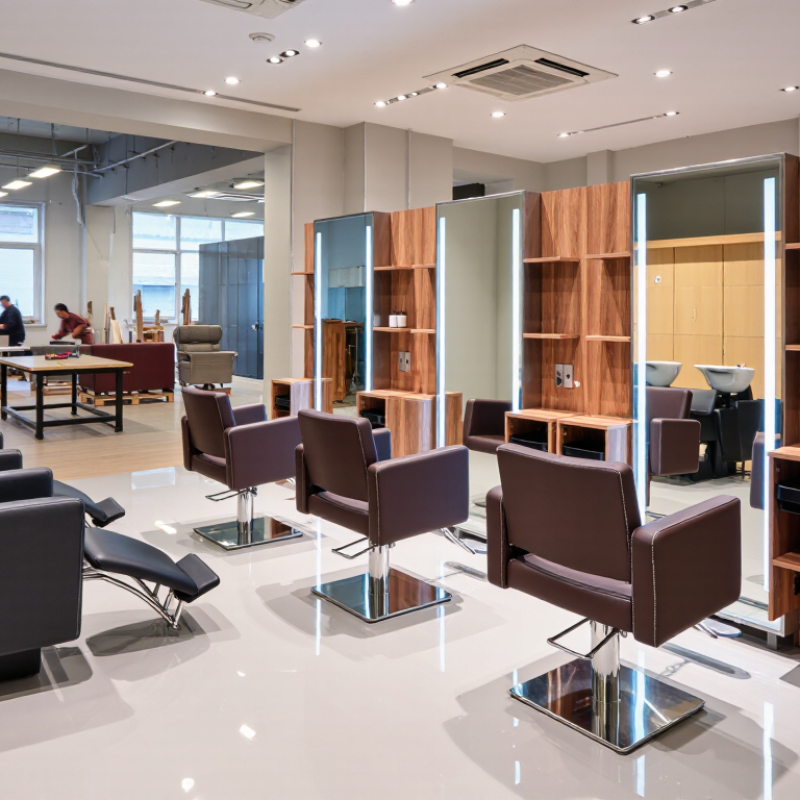
| Styling Station | Worktop strength and anchoring | Specify distributed load, concentrated load at the front edge, wall or floor anchoring, and maximum supported equipment weight. | Measure deflection, inspect fasteners, and confirm stability after loading and repeated door or drawer operation. | For non-seating products, use the applicable ANSI/BIFMA storage or desk-product methods where suitable; obtain written test-method confirmation. | Engineering drawing, load test record, anchoring instructions, and installation hardware list. |
| Mirror and Cabinet | Glass and tip-over safety | Specify safety-backed or safety-rated glass where required, secure retention, rounded exposed edges, and anti-tip anchoring. | Verify glass markings or supplier documents, retention strength, door alignment, and resistance to forward tipping. | Use relevant storage-unit safety requirements and applicable local glass and installation regulations; do not rely on seating standards alone. | Glass specification, anti-tip test record, wall-fixing diagram, and packaging protection plan. |
| Trolley and Storage | Drawer, caster, and shelf durability | Define drawer load, shelf load, caster load, travel distance, braking requirement, and minimum service cycle. | Record opening cycles, shelf deflection, caster rolling performance, brake holding, and hardware loosening. | ANSI/BIFMA storage-unit methods may be relevant; select the exact method according to product construction and intended use. | Component load ratings, cycle-test records, spare-parts list, and pre-shipment inspection results. |
| Upholstery | Abrasion, seam, and cleanability performance | Select commercial-use upholstery and define resistance to shampoo, water, alcohol-based cleaners, oils, and hair-colouring products. | Evaluate colour change, staining, cracking, seam slippage, and coating damage using agreed laboratory methods. | Material performance tests are separate from EN 16139 and ANSI/BIFMA structural tests; specify the exact fabric or synthetic-leather method. | Material test reports, cleaning instructions, colour approval sample, and batch consistency records. |
| All Furniture | Dimensions and ergonomics | Issue a dimension schedule covering seat height, seat width, seat depth, arm height, worktop height, clearance, and service access. | Check production samples against approved drawings with a tolerance schedule, such as ±2 mm for critical assembled dimensions where feasible. | EN 16139 and ANSI/BIFMA methods support safety and performance assessment but do not automatically define the buyer’s preferred salon ergonomics. | Signed technical drawing, golden sample, inspection report, and change-control procedure. |
| All Furniture | Chemical and odour control | Define restricted substances, adhesive requirements, coating system, formaldehyde expectations, and acceptable odour after unpacking. | Review material declarations and conduct buyer-specified emissions or chemical screening when required by the destination market. | These requirements are complementary to EN 16139 and ANSI/BIFMA performance standards and should be addressed through applicable chemical regulations. | Material declarations, coating data sheets, safety data sheets, and batch traceability. |
| Factory Capability | Quality-management controls | Require incoming-material inspection, first-article approval, in-process checks, final inspection, nonconformity control, and retained samples. | Audit inspection frequency, acceptance criteria, calibration status, corrective-action records, and traceability from material to shipment. | Standards define product performance methods; the factory’s quality system must demonstrate repeatable compliance with the approved test specification. | Anonymised quality records, calibration certificates, process flow chart, and production-line audit access. |
| Pre-Shipment Inspection | Acceptance criteria | Set measurable limits for dimensions, appearance, function, packaging, hardware, upholstery, and documentation before production begins. | Use a defined sampling plan and classify defects as critical, major, or minor with agreed acceptance numbers. | Reference EN 16139 or ANSI/BIFMA test results for performance-critical items, while using the buyer’s approved inspection plan for commercial acceptance. | Signed inspection checklist, measurement records, defect photographs, carton drop or transport assessment where applicable. |
| Export and Installation | Packaging and site readiness | Specify carton dimensions, protection for glass and upholstery, moisture protection, assembly sequence, electrical interface, and site-clearance needs. | Verify package strength, part identification, installation instructions, replacement hardware, and final assembled stability. | Packaging, electrical, fire, and installation rules depend on the destination market and are additional to seating performance standards. | Packing specification, assembly manual, carton marking plan, spare-parts policy, and installation sign-off form. |