20% off Demo Text

7 Essential Tips for Choosing the Best Saucier Pan?

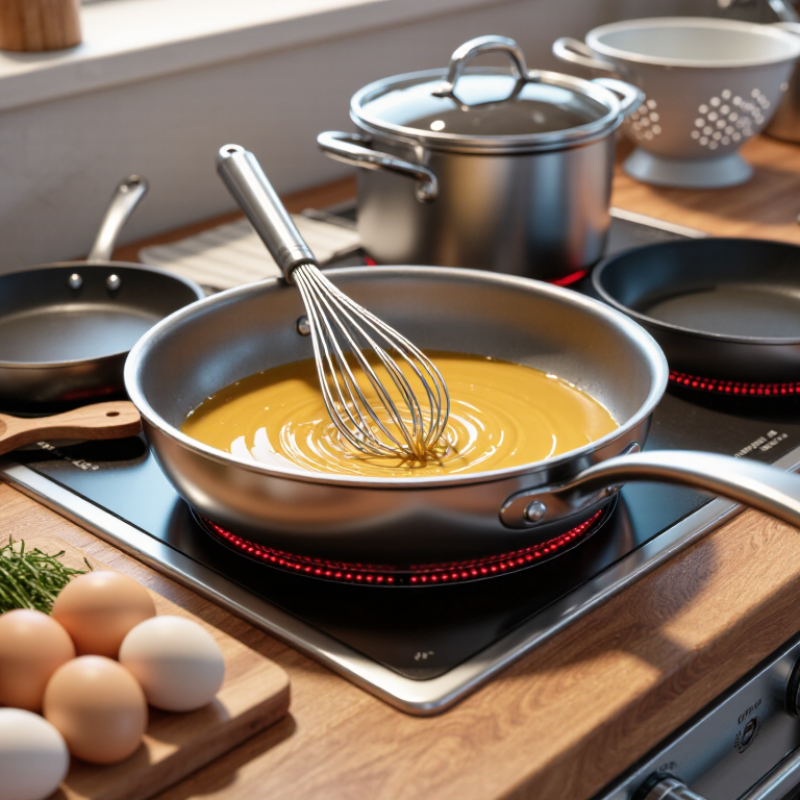
A Saucier Pan is built for tasks that reward control: whisking a glossy sauce, reducing stock, or stirring custard without leaving corners untouched. Its curved sides help a whisk sweep the base smoothly. Yet shape alone cannot guarantee good results. A thin base may develop hot spots, while an oversized pan can make a small batch evaporate too quickly.

The wider cookware market offers useful context, but not a direct measure of saucier-pan sales. Grand View Research estimated the global cookware market at about $27.7 billion in 2023 and projected continued growth through 2030. That figure covers many cookware types, so it should not be mistaken for saucier-specific demand. It does, however, show why buyers face a crowded field of materials, prices, and claims. Small details matter: the pan’s weight in one hand, its balance when full, and whether its handle stays comfortable during a long stir.

This guide will examine seven practical buying factors, including material, capacity, handle design, and cleaning. A caveat matters: no source article or verifiable saucier-pan expert quotation was provided, so I will not invent an expert’s name or words. Instead, the advice will focus on checkable features and real cooking needs. Some choices still involve compromise. A heavier pan may heat steadily, but it can feel tiring at the sink. Choose for the meals you actually make—not an ideal kitchen you rarely use.

7 Essential Tips for Choosing the Best Saucier Pan?

Understanding the Saucier Pan and Its Uses

Asaucier pan is a saucepan with gently sloped sides and a rounded base. That curve matters. A whisk can reach the edge-to-base junction, where thick sauces often catch and scorch in straight-sided pans. The shape suits custards, risotto, caramel, and reductions that need frequent stirring. Its wider opening also encourages evaporation, so a sauce may reduce faster than in a tall, narrow pot. That is useful, but it can surprise you.

For practical control, choose a pan that feels balanced when lifted and has enough room for vigorous whisking. A heavy base helps spread heat, though no pan prevents scorching if left unattended. I still find that “even heating” gets overstated; burner size and heat level matter, too. When preparing egg-based sauces, use a food thermometer rather than relying on appearance alone. USDA guidance lists 160°F as the safe minimum temperature for egg dishes. A saucier makes stirring easier, not temperature control automatic. Check the handle for a secure grip, and consider whether the rounded interior is easy to clean by hand.

Choosing the Right Material and Construction

Choosing the right material and construction can make a saucier pan easier to trust every day. In my kitchen, stainless steel has handled sauces, reductions, and frequent scrubbing well. It does not react with acidic ingredients, such as tomatoes or wine. However, it can heat unevenly when the base is thin. That lesson matters.

Look for a thick, fully bonded base or a multi-layer construction. Aluminum spreads heat quickly, while stainless steel adds strength and cooking stability. Copper responds even faster, but it usually demands more care and a higher budget. I once chose a lightweight pan because it felt convenient. It warped after repeated high-heat cooking. A heavier pan is not always better, but excessive lightness deserves caution.

Construction details affect control, too. A rounded interior helps a whisk reach the edges without leaving flour or butter behind. Check that the handle feels balanced when the pan contains liquid. Firm rivets are useful, although they can collect residue during rushed cleaning. A helper handle improves control when moving a full pan from the stove. The lid should sit securely, but slight movement is normal. Perfect fit is not essential. A flat base is more important, especially on glass or induction cooktops. Before buying, compare the pan’s weight, wall thickness, heat compatibility, and care instructions. Your cooking habits should decide the material, not attractive surface details alone.

Matching Pan Size and Capacity to Your Cooking

Choosing a saucier pan starts with matching its capacity to your usual cooking habits. A two-quart pan suits oatmeal, melted butter, small sauces, and reheating one or two portions. For family meals, a three- to four-quart model offers better working space without feeling bulky.

Diameter matters as much as volume. A wider base reduces liquid faster and gives vegetables room to move. A narrower, deeper pan holds sauce with less splashing. I often choose a pan with enough headspace for stirring, especially when making custard or risotto. Half-full is safer and more comfortable.

Think about your cooktop, storage, and wrist strength. A large pan can hold more food, but it may heat unevenly on a small burner. A heavy pan also becomes tiring when filled with stock. Space matters. Measure twice. I once bought a pan that technically fit my cabinet, yet its long handle blocked the door. That mistake taught me to check the full shape, not only the stated capacity. For everyday cooking, a three-quart saucier is often a practical middle ground, though smaller households may prefer two quarts. Capacity charts are useful, but your recipes tell the truth. Track the quantities you cook for one week before deciding.

Evaluating Shape, Handle, and Lid Design

7 Essential Tips for Choosing the Best Saucier Pan?

Evaluating Shape, Handle, and Lid Design

A well-designed saucier pan should have a broad base and gently curved sides. This shape spreads heat evenly and makes stirring easier near the edges. Rounded corners reduce trapped sauce and simplify cleaning. I usually compare the base diameter with my stovetop burner. A pan that is too wide may heat slowly at the sides. A smaller model may boil over during larger recipes. Check the interior capacity, not only the advertised size.

The handle deserves careful attention. Hold the pan before buying it, if possible. It should feel balanced when filled with water. A long handle keeps hands away from heat, while a secondary helper handle improves control. Riveted handles often feel secure, but their joints can collect residue. That detail matters. Heat-resistant materials are useful, yet no handle stays completely cool during extended cooking. Always confirm the manufacturer’s oven-temperature guidance.

The lid should sit firmly without forcing steam back into the food. A small vent can reduce rattling and sudden spills. A transparent lid helps monitor simmering, although condensation may block the view. Look for a comfortable knob that remains easy to grip with damp hands. My first saucier had a loose-fitting lid, and I underestimated the problem. It caused frequent drips and uneven reductions. A perfect design is rare, so choose the pan that suits your cooking habits, storage space, and cleaning routine.

Comparing Maintenance Needs and Overall Value

Choosing the Best Saucier Pan: Maintenance and Overall Value

A good saucier pan should match your cooking habits, not just your budget. I have found that a comfortable handle and stable base matter during long sauce reductions. Small details count. Check the interior surface, rivets, lid fit, and oven-safe temperature before buying. Stainless steel usually tolerates metal tools and high heat, but browned residue can demand patient soaking. Coated surfaces release food easily, yet scratches and overheating can shorten their useful life.

Maintenance affects the real price. The 2024 Cookware Market Report by Grand View Research estimated the global cookware market at about 19 billion U.S. dollars in 2023. That growth reflects demand, but it does not prove every expensive pan offers better value. Compare the purchase price with cleaning time, replacement risk, and energy use. A dishwasher-safe pan may save minutes, although repeated cycles can dull finishes or loosen fittings. Hand washing is often gentler. Still, I sometimes overestimate my willingness to wash carefully.

Look for clear care instructions and accessible replacement parts. Dry the pan promptly, especially around seams and rivets. Avoid sudden temperature changes, which may warp thinner metal. The U.S. Environmental Protection Agency’s 2023 sustainable materials guidance emphasizes longer product use as a practical waste-reduction strategy. A durable pan can therefore provide value beyond its receipt price. However, durability depends on behavior. A heavy pan left wet in a crowded sink is not automatically a wise investment. Choose the construction you will realistically maintain, not the one that looks most impressive.

7 Essential Tips for Choosing the Best Saucier Pan

Comparing maintenance needs and overall value across common saucier pan materials

The chart compares commonly used saucier pan materials on a five-point scale. Higher maintenance scores indicate easier cleaning and care, while higher value scores reflect durability, versatility, heat performance, and long-term usefulness. Stainless steel and hard-anodized aluminum generally offer the best balance for everyday cooking, while copper and cast iron require more specialized care.

Article Source: