How to Choose the Best Sit Stand Desks for Your Office?
In today’s fast-paced office environment, employee well-being is crucial for productivity. Sit Stand Desks are becoming essential for modern workplaces. A recent report from the Occupational Safety and Health Administration (OSHA) highlights that sedentary work can lead to serious health issues, including obesity and cardiovascular diseases. In fact, 75% of office workers suffer from chronic back pain due to prolonged sitting.
Choosing the best Sit Stand Desks can profoundly impact workplace comfort. Studies show that using these desks can lead to a 30% increase in productivity and a 20% decrease in discomfort levels. However, not all Sit Stand Desks are created equal. The right desk depends on factors like height adjustability, stability, and ease of use. These aspects require careful consideration to avoid potential ergonomic issues.
It's important to reflect on these choices, as they affect long-term health and performance. Many employees still struggle with adjusting to new desk setups. Ensuring users are well-informed maximizes the benefits of Sit Stand Desks and minimizes hurdles in the transition.
Factors to Consider for Ergonomic Design in Sit Stand Desks
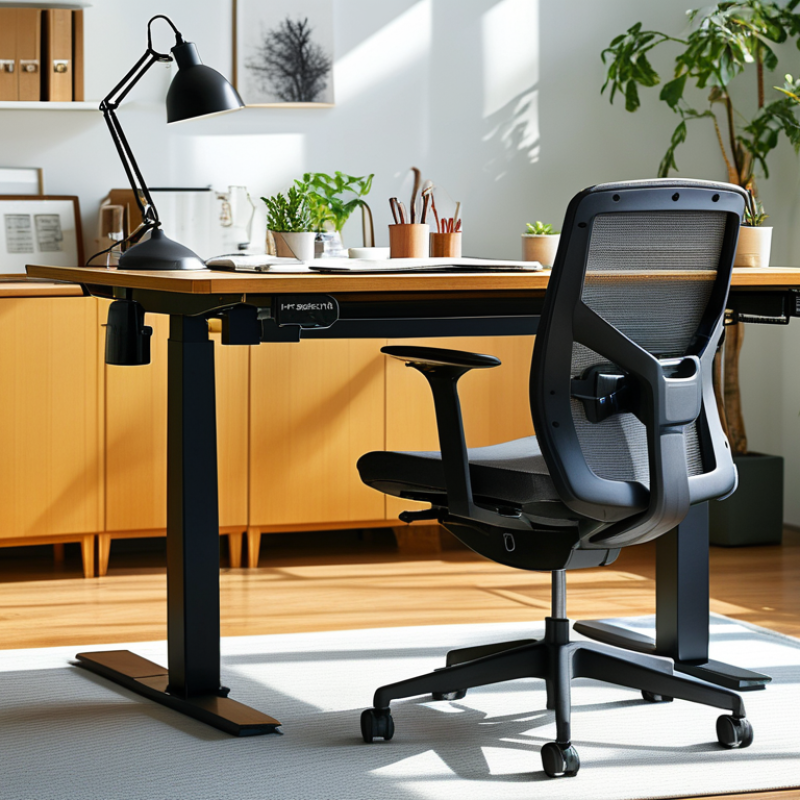
When choosing sit-stand desks, ergonomic design is crucial for promoting productivity and well-being. Research indicates that prolonged sitting can lead to various health issues. A study published by the American Journal of Preventive Medicine revealed that sedentary behavior significantly raises the risk of chronic diseases. Thus, selecting a desk that encourages mobility is essential.
Consider the desk's height adjustment range. The desk should accommodate both sitting and standing positions comfortably. An ideal adjustment range allows users from different heights to find their optimal ergonomic posture. According to the Occupational Safety and Health Administration (OSHA), improper desk height can strain the neck and back. Aim for a desk that offers at least a 25-inch to 50-inch height range for versatility.
Another factor is surface area. A desk that is too small may limit your workspace and increase clutter. Research by the Society for Human Resource Management indicates that an organized workspace boosts focus and efficiency. Additionally, monitor placement is vital. Screens should be at eye level to prevent eye strain. Failing to address these details may impact long-term health and productivity. Consider these factors carefully for a sustainable work environment.
The Importance of Adjustability and Range in Desk Heights
Height adjustability is crucial in choosing a sit-stand desk. A significant study by the CDC indicates that prolonged sitting can increase risks for various health issues, including obesity and heart disease. Desks that adjust between at least 24 to 50 inches accommodate diverse user heights. This range not only promotes comfort but also encourages regular movement throughout the day.
Many professionals experience discomfort at their desks. A report by the Occupational Safety and Health Administration (OSHA) suggests that adjustable desks can reduce musculoskeletal problems by 30%. An adjustable range allows users to find the optimal position, whether sitting or standing. The experience varies across individuals, emphasizing that not all heights will suit everyone perfectly.
It is problematic when desks do not offer sufficient height variation. Employees may end up straining their bodies to adapt. Regular use of ergonomic desks leads to improved focus and productivity. By addressing these adjustable height needs, companies can enhance workplace wellness significantly. Investing in quality desks remains essential for fostering a healthier office environment.
Impact of Sit Stand Desks on Employee Health and Productivity
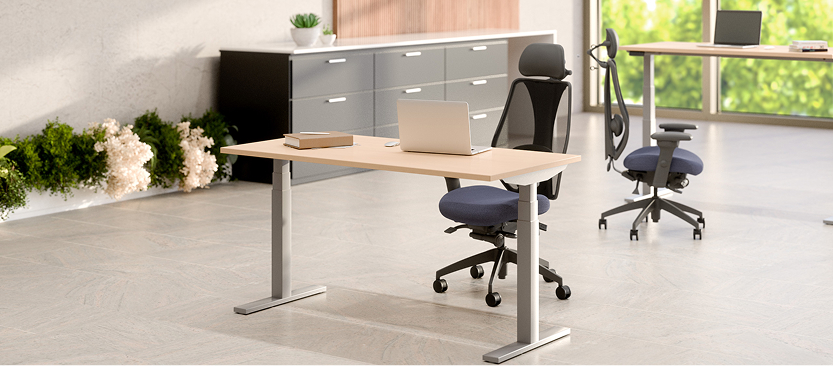
Sit-stand desks have gained significant attention in modern workplaces. They can enhance employee health while increasing productivity. Research suggests that alternating between sitting and standing can reduce back pain. Additionally, employees who use these desks report higher energy levels throughout the day.
Implementing sit-stand desks may not yield immediate results. Some workers may resist the change, preferring their traditional setup. This resistance can stem from discomfort or unfamiliarity. An adjustment period is essential. Organizations should encourage employees to experiment with desk heights gradually. This helps in finding a balance that works best for individual preferences.
Regular use of sit-stand desks can improve focus and creativity. Employees who move more often tend to think more clearly. Breaks from sitting can rejuvenate the mind. However, it's important to note that too much standing can cause fatigue. Mapping out a strategy for alternating positions is crucial. Creating an environment that supports mobility can lead to a healthier, more productive workforce.
How to Choose the Best Sit Stand Desks for Your Office? - Impact of Sit Stand Desks on Employee Health and Productivity
| Criteria |
Description |
Impact on Health |
Impact on Productivity |
| Adjustability |
Height adjustment features to accommodate different user heights. |
Reduces the risk of musculoskeletal disorders. |
Allows users to maintain comfort, enhancing focus. |
| Stability |
Solid build ensures stability at all heights. |
Decreases the chances of accidents and injuries. |
Minimizes distractions from wobbling furniture. |
| Ease of Use |
User-friendly controls for height adjustment. |
Encourages frequent position changes, benefiting circulation. |
Enhances workflow by reducing time spent adjusting the desk. |
| Surface Area |
Sufficient workspace for a laptop, monitors, and office supplies. |
Aids in organization, reducing stress associated with clutter. |
Improved organization leads to increased efficiency. |
| Aesthetic Design |
Appealing design that fits office decor. |
Creates a pleasant working environment, boosting morale. |
An attractive workspace can enhance motivation levels. |
Evaluating Material Quality and Durability for Long-Term Use
When selecting a sit-stand desk, material quality is paramount for ensuring durability and long-term use. Research indicates that desks made from solid wood or high-grade metal typically last longer than those constructed from particleboard or plastic composites. According to a report by the American Journal of Ergonomics, desks with a lifespan of over five years significantly improve user satisfaction and productivity.
It’s also essential to evaluate the desk's hardware components, such as motors and frames. A study from the International Furniture and Interior Design Association highlights that quality motor systems can handle daily adjustments better than low-cost alternatives. Desks with steel frames are often more stable and resilient under weight compared to cheaper, flimsy options. However, even the best materials can fail if not maintained properly. Users often overlook the importance of cleaning and caring for their desks, which can impact longevity.
Choosing a sit-stand desk goes beyond personal style. It involves considering material quality that withstands everyday wear. Scratches and dents can detract from the desk’s appearance and functionality. Reflecting on these aspects can lead to better purchasing decisions, potentially resulting in improved health and efficiency in the workplace setting.
Cost-Effectiveness Analysis of Sit Stand Desks in Office Environments
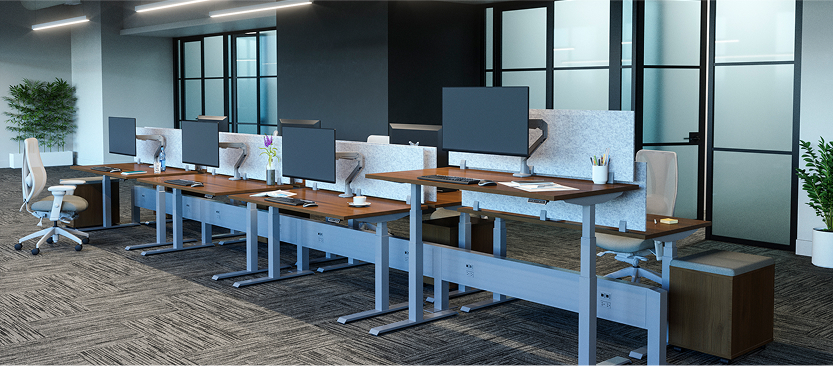
When considering sit-stand desks, cost-effectiveness becomes a crucial factor. Office environments can be improved not just through aesthetics but also functionality. A sit-stand desk enables employees to alternate between sitting and standing, promoting healthier work habits. This switch can reduce the risks associated with sedentary lifestyles. However, investment in these desks should be justified by the potential benefits.
A careful analysis involves understanding costs. Look into initial purchase prices alongside long-term health benefits. Some studies suggest healthier employees tend to have lower healthcare costs. Frequent movement can boost energy and productivity levels, which impacts overall office output. Yet, it’s essential to remember that not all employees may adapt to this adjustment equally. Some may resist change, needing time to adjust.
Finally, assessing durability and warranty can affect overall expenses. A cheaper desk might seem appealing but can lead to higher replacement costs. Finding balance is key. Weigh immediate financial outlay against long-term gains. Factors like maintenance and ergonomic support are also worth considering. Being informed shapes better decisions in desk selection for any office environment.
Cost-Effectiveness Analysis of Sit Stand Desks in Office Environments