| User Height | Seat depth, seat height, headrest position, and footrest length should support the user's body proportions. | Seat depth: approximately 19–22 in (48–56 cm); seat height: approximately 18–21 in (46–53 cm) | Choose a standard-size chair for average adults. Select a petite or tall-size model when the user's knees, lower back, or head are not properly supported. | High |
| Weight Capacity | Check the manufacturer's tested maximum user weight and leave a reasonable safety margin. | Common capacities: approximately 300–350 lb (136–159 kg); heavy-duty models may support more | Select a chair with a rated capacity comfortably above the user's weight, especially when the chair will be used frequently. | High |
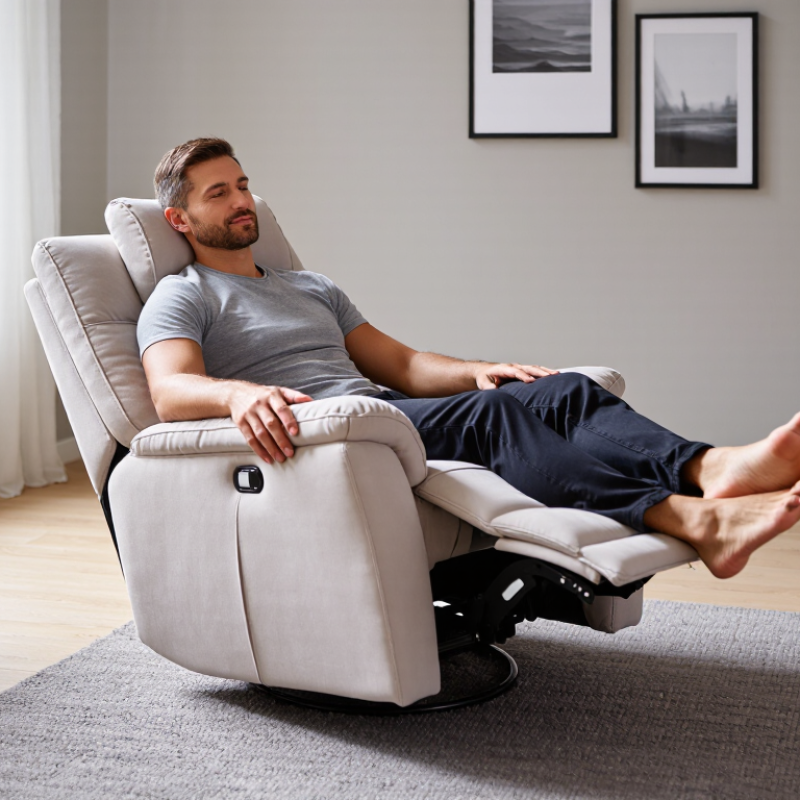
| Reclining Positions | Determine whether the chair needs upright sitting, partial reclining, television viewing, reading, or near-flat rest. | Typical designs include 2-position, infinite-position, or independently adjustable backrest and footrest | Choose independent controls when the user wants precise adjustment of the backrest and leg support. | High |
| Lift Assistance | A lift function raises the seat gradually to help the user move from sitting to standing. | Lift systems are intended to assist standing; they are not a substitute for a medical lifting device. | Choose a power lift recliner for users with limited leg strength, balance concerns, or difficulty standing from a low seat. | High |
| Foot and Leg Support | Check whether the footrest supports the entire lower leg without pressing sharply behind the knees. | The footrest should extend smoothly and keep the legs comfortably supported without excessive knee pressure. | Choose an extended footrest or longer-seat design for taller users; choose a compact design for shorter users. | High |
| Head and Lumbar Support | Evaluate neck alignment, lower-back support, cushioning, and whether the support remains effective while reclined. | Adjustable headrests and lumbar sections can accommodate different sitting and reclining postures. | Choose independently adjustable headrest and lumbar support when the chair will be used for long periods each day. | High |
| Control System | Controls should be easy to see, reach, and operate without excessive hand strength. | Common features include wired remotes, side-mounted controls, USB charging ports, and memory buttons. | Choose large, clearly labeled buttons with tactile feedback. A wired remote is less likely to be misplaced than a wireless one. | Medium |
| Power Outage Protection | Consider whether the chair can return to an upright position during a temporary power interruption. | Some models include a battery backup compartment; backup performance depends on battery condition and chair usage. | Choose a model with compatible battery backup when the user may need reliable operation during outages. | Medium |
| Clearance and Room Layout | Measure the chair, fully reclined depth, doorway width, and space behind and beside the chair. | Wall-hugger designs may require only a small rear clearance, while conventional recliners need more space. | Choose a wall-hugger model for compact rooms. Confirm the delivery path before ordering. | High |
| Motor Noise and Movement | Check whether the movement is smooth, stable, and quiet enough for the intended room. | Dual-motor chairs generally allow more independent adjustment than single-motor chairs. | Choose a dual-motor design for customized positioning; choose a single-motor design when simple operation and lower complexity are preferred. | Medium |
| Upholstery and Cleaning | Consider breathability, stain resistance, durability, and the user's sensitivity to heat or friction. | Fabric is generally breathable; synthetic leather is usually easier to wipe clean; upholstery performance varies by material and construction. | Choose breathable fabric for warm environments and easy-clean upholstery for households with children, pets, or frequent spills. | Medium |
| Cushion Firmness | Firmness affects ease of standing, pressure distribution, and long-session comfort. | Medium-firm cushions usually provide a balance between support and pressure relief. | Choose firmer cushioning for easier transfers and stronger support; choose softer cushioning only when it does not make standing difficult. | High |
| Transfer Safety | Look for a stable base, supportive armrests, controlled lift movement, and a seat height that does not require deep squatting. | The chair should remain stable during sitting, reclining, rising, and returning to an upright position. | Choose a lift recliner with firm armrests and a gradual lift cycle for users who need transfer assistance. | High |
| Maintenance and Warranty | Review motor access, replacement-part availability, cleaning instructions, and warranty coverage. | Power recliners contain electrical and mechanical components that may require service over time. | Choose a model with clear care instructions, accessible support, and documented coverage for the frame, motor, and controls. | Medium |