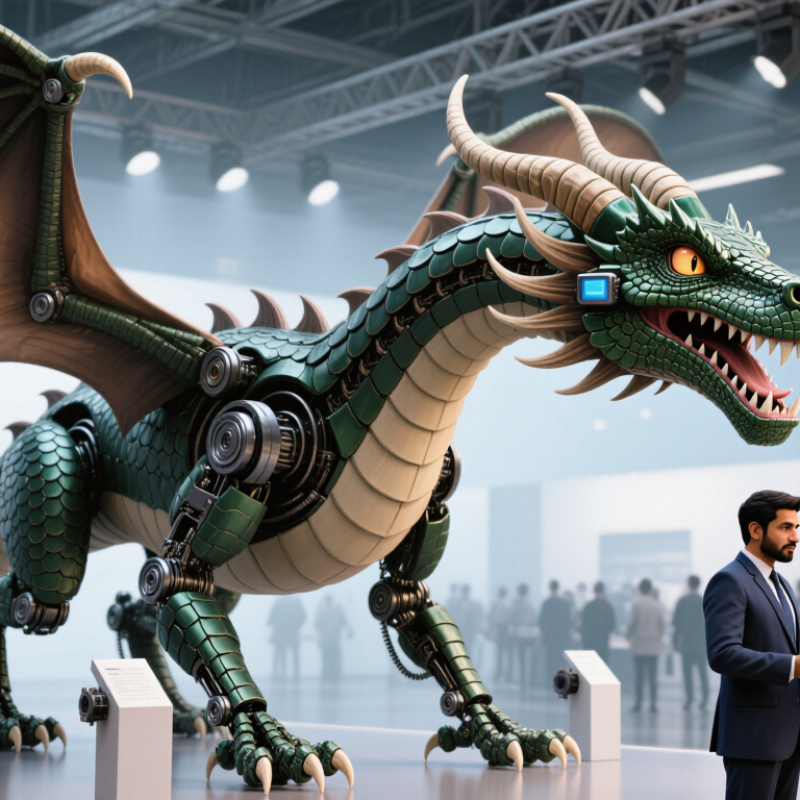
| Display scale and build | Overall length, height, pose, frame, skin, and intended viewing distance. | A small, mostly static display may be budgeted around $3,000–$12,000; a larger custom figure commonly requires a substantially higher quote. | Are the dimensions and included materials specified in the quote? Can the design fit through the delivery route and into the final installation area? |
| Movement and controls | Which motions are included, such as jaw, head, neck, eyes, wings, tail, or body; also check speed, noise, and control method. | A custom unit with several basic movements may fall roughly in the $8,000–$25,000 range; more complex motion and controls can raise the total considerably. | Can the supplier provide a movement list, control demonstration, emergency stop, and details of any sensors or operator controls? |
| Custom, full-scale creature | Large-format construction, coordinated movements, sound or lighting integration, and installation requirements. | A roughly 3–6 m custom interactive figure may require about $25,000–$80,000 or more, depending on specification and site work. | Is the price itemized for design, fabrication, controls, testing, packing, freight, installation, and commissioning? |
| Outdoor suitability | Weather protection, drainage, corrosion resistance, UV exposure, wind loading, and temperature limits. | Outdoor-ready construction and site-specific protection can add significant cost; the supplier should state the intended exposure conditions rather than offer a generic claim. | What environmental limits apply? Which parts need shelter, and what inspection or covering is recommended during severe weather? |
| Controls and electrical setup | Power requirements, wiring, controller access, operating cycle, and local electrical compliance. | Confirm the required voltage, current, plug or hard-wiring arrangement, and duty cycle in writing before purchase; electrical work may require a qualified local installer. | Are wiring diagrams, controller documentation, and a safe shutdown procedure included? Who is responsible for local compliance checks? |
| Supplier capability | Relevant project examples, engineering drawings, production milestones, quality checks, and communication arrangements. | Request a written specification, dated progress updates, and pre-shipment photographs or video; these help verify the agreed scope. | Can the supplier show comparable completed work and provide a clear process for approving design changes and resolving defects? |
| Lead time and delivery | Design approval, fabrication, testing, packing, freight, customs, and installation scheduling. | A custom project may take roughly 8–16 weeks or longer before shipping; transit and site installation add time and vary by destination. | Which dates are estimated versus contractually agreed? Who pays freight, import charges, storage, and any return shipping? |
| Warranty and support | Warranty duration, covered components, exclusions, response time, remote troubleshooting, and repair logistics. | A 12-month warranty is a useful comparison point, but coverage varies; confirm whether labor, shipping, motors, controls, and wear items are included. | What evidence is needed to make a claim? Are replacement parts available after the warranty period, and for how long? |
| Annual maintenance budget | Routine inspection, cleaning, lubrication where specified, fastener checks, skin repairs, and control-system checks. | As an initial planning allowance, set aside about 5%–10% of the purchase price per year; actual spending may be lower or higher based on use and environment. | Can the supplier provide a maintenance schedule, recommended consumables, inspection intervals, and estimated replacement-part costs? |
| Spare parts and repairability | Availability of motors, actuators, sensors, controllers, connectors, and replaceable skin sections. | Price and availability are design-specific; obtain a spare-parts list and lead-time estimates before approving the build. | Can common wear parts be replaced locally? Are standard components used, and are repair instructions or wiring diagrams supplied? |
| Installation and site safety | Anchoring, moving-part clearances, public access, pinch points, barriers, and access for maintenance. | Installation and site preparation are often separate line items; costs depend on access, foundations, lifting equipment, and local labor. | Who signs off the anchoring and operating area? Are safety instructions and an emergency-stop location included in the handover? |
| Total cost of ownership | Purchase price plus shipping, duties, installation, power, maintenance, repairs, storage, and eventual disposal. | Compare a multi-year budget rather than the initial quote alone; request separate, itemized amounts for one-time and recurring costs. | What is excluded from the quoted price, and which recurring costs are likely during the expected service life? |