What is Barcode Labeling and How Does It Benefit Businesses?
In today's fast-paced retail environment, barcode labeling has become essential for efficiency. According to Dr. Emily Carter, a leading expert in inventory management, "Barcode labeling streamlines operations and enhances accuracy." Businesses rely heavily on this technology for tracking products and managing stock.
Barcode labeling offers a way to reduce human error. Mistakes in inventory can lead to significant losses. For many companies, implementing barcode systems has resulted in a more organized inventory process. The ease of scanning items can transform how products flow through warehouses.
Adopting barcode labeling is not without challenges. Some businesses struggle with initial setup costs and training staff. However, the long-term benefits often outweigh the inconveniences. Companies recognizing the value of barcode labeling find themselves ahead of the competition. Embracing these systems can lead to better customer satisfaction and increased efficiency.
What is Barcode Labeling: An Overview of the Technology and Its Uses
Barcode labeling has transformed how businesses manage inventory and track products. This technology uses a series of black and white lines to encode information. With a simple scan, a product's details can be accessed within seconds. Retailers, warehouses, and manufacturers widely use barcode labeling for efficiency.
The benefits of this system are significant. It reduces human error and speeds up transactions. Employees can focus on other important tasks rather than manually entering information. However, implementing barcode systems isn't always straightforward. Staff training is essential for effective utilization. If mismanaged, it can lead to mislabeling, affecting inventory accuracy.
In many industries, barcode labeling enhances visibility. It allows businesses to monitor stock levels in real-time. This helps prevent overstocking or stockouts. Still, reliance on technology can be a double-edged sword. System failures may disrupt operations, highlighting the need for backup processes. Businesses must weigh the pros and cons before fully committing to barcode labeling systems.
Understanding the Different Types of Barcode Systems in Retail and Inventory
Barcode systems play a crucial role in retail and inventory management. They enhance the speed and accuracy of transactions. Several types of barcode systems exist, each tailored to specific business needs. For instance, one-dimensional (1D) barcodes are common in retail settings. These codes consist of vertical lines and spaces. They store basic information, such as product numbers. However, they may not hold extensive data.
On the other hand, two-dimensional (2D) barcodes, like QR codes, can contain much more information. They can link to websites or store detailed product descriptions. This versatility opens new marketing avenues. Yet, not all businesses optimize these features. Often, companies may overlook training for staff on how to use advanced systems effectively.
RFID technology is another option, offering wireless data transmission. It allows for real-time stock tracking and reduces manual errors. This system shows significant promise but can be costly. Many businesses struggle to justify the initial investment. Ultimately, selecting the right barcode system hinges on understanding specific requirements and budget constraints. It's a complex decision that requires careful consideration and ongoing adjustment.
Industry Statistics: How Barcode Labeling Improves Operational Efficiency
Barcode labeling is a powerful tool that significantly enhances operational efficiency across various industries. According to the National Association of Heavy Equipment Training Schools, organizations that utilize barcode technology experience a 33% reduction in annual operating costs. This improvement stems from streamlined inventory management and error reduction. When businesses adopt barcode labeling, they often report heightened accuracy in stock management, leading to less wasted time and resources.
Tips for improving barcode labeling include choosing the right label material. Ensure the labels can withstand environmental conditions like moisture or temperature variations, which can affect durability. Investing in high-quality scanners can further amplify these benefits by increasing scanning speed and reducing errors.
A survey by Zebra Technologies indicates that 73% of companies using barcode systems experience increased operational visibility. This visibility allows companies to react swiftly to market changes, managing their inventories in real-time. However, businesses should remain mindful of the initial setup costs and potential integration challenges when implementing these solutions. Tracking performance regularly can help identify areas for improvement as they adapt their systems over time.
Impact of Barcode Labeling on Operational Efficiency
Cost-Benefit Analysis of Implementing Barcode Technology in Businesses
Implementing barcode technology can greatly impact a business's bottom line. The initial costs of barcode systems may seem high. However, the long-term savings are often worth the investment. Reduced labor hours and minimized errors contribute to increased efficiency. Businesses can track inventory in real-time, which helps in making informed decisions. This immediate visibility into stock levels allows better demand forecasting.
Maintenance and updating costs should also be considered in the cost-benefit analysis. Barcode systems require occasional updates, both in software and hardware. Over time, businesses may face challenges in integrating these systems with existing processes. However, the ability to quickly adapt to changes in inventory can outweigh these hurdles. Efficient barcode labeling improves accuracy, leading to fewer customer complaints. This promotes trust and loyalty among consumers.
In the end, barcode technology offers significant benefits that often justify its costs. It can transform inventory management practices, yet it requires careful planning and execution. Businesses must evaluate their unique needs before implementation. Analyzing potential return on investment is crucial. A thoughtful approach could lead to substantial gains in efficiency and customer satisfaction.
What is Barcode Labeling and How Does It Benefit Businesses? - Cost-Benefit Analysis of Implementing Barcode Technology in Businesses
| Aspect | Description | Estimated Cost | Potential Benefits |
| Initial Setup | Costs related to purchasing barcode scanners and software | $2,500 | Faster checkout process |
| Training | Employee training on how to use barcode systems | $500 | Increased efficiency and accuracy |
| Maintenance | Ongoing costs of software updates and hardware maintenance | $300/year | Reduced operational hiccups |
| Inventory Management | Integration of barcode systems into inventory management | $1,000 | Improved stock tracking and depletion |
| Return on Investment | Long-term savings through reduced labor costs | - | Estimated savings of $5,000 annually |
Future Trends: The Role of Barcode Labeling in Supply Chain Automation
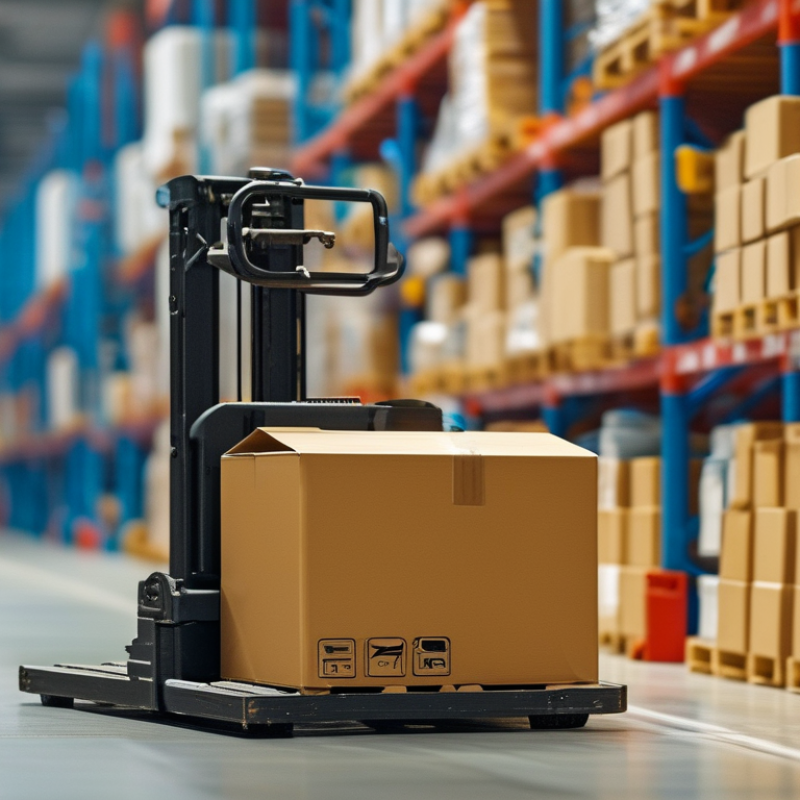
Barcode labeling plays a crucial role in supply chain automation, bringing efficiency and accuracy to logistics. By using barcodes, businesses streamline inventory management. Scanning a barcode helps locate products quickly, reducing human error. Automation eliminates the manual data entry burden. This speeds up operations significantly.
Looking ahead, the demand for advanced barcode systems is on the rise. Industries are integrating barcode technology with artificial intelligence and machine learning. Such integration can predict inventory needs and track trends in real time. However, there are challenges. Not every organization can seamlessly adopt these technologies. Transitioning requires training and adaptability. The effectiveness of automation hinges on proper implementation and continuous evaluation.
As barcode labeling evolves, companies must remain aware of emerging trends. Staying relevant may involve investing in new software and hardware solutions. This may strain limited budgets, but the long-term benefits often outweigh the costs. Companies should strive to be proactive in their approach. The journey toward effective supply chain automation is ongoing and complex.