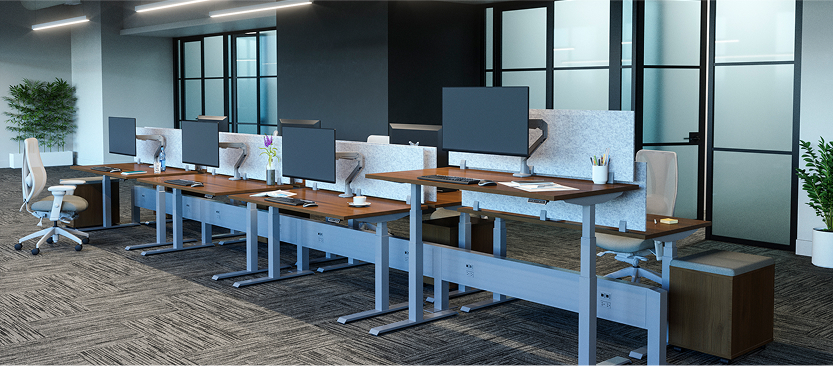
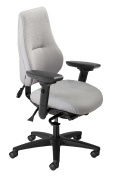
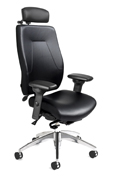
7 Best Adjustable Chairs for Global Buyers?
For global buyers, choosing among Adjustable Chairs is not simply a matter of price or appearance. A suitable model must support different body proportions, working habits, climates, and shipping conditions. This guide examines seven options through practical details: seat-height range, lumbar adjustment, armrest movement, recline control, base stability, and material durability. Small details matter. A firm adjustment lever, quiet casters, and clear instructions can improve daily use more than decorative features.
The selection approach combines product specifications, user-focused ergonomics, and realistic purchasing concerns. We consider whether controls are easy to reach, whether cushioning remains supportive after long sessions, and whether replacement parts appear accessible. Global shoppers should also check dimensions in centimeters, warranty coverage, assembly requirements, and regional delivery terms before ordering. Certifications and test claims deserve careful verification from manufacturers or recognized testing bodies. Marketing language alone is not proof.
No chair suits every office, studio, or home. A tall user may need a deeper seat, while a shorter user may struggle with fixed armrests. Mesh can feel cool in humid rooms, yet fabric may offer warmer contact in dry climates. Our comparisons aim to make trade-offs visible rather than promise a perfect choice. Some judgments remain subjective, especially comfort after several hours. Use this guide as a practical starting point, then confirm fit with measurements, return policies, and your own sitting habits.
Adjustable Chair Fundamentals: ISO 9241-5 and ANSI/BIFMA Benchmarks
7 Best Adjustable Chairs for Global Buyers?
Adjustability matters more than appearance when selecting a chair for international use. ISO 9241-5 focuses on ergonomic workstation design, including posture, movement, reach, and support. A suitable chair should let users place both feet firmly on the floor. The seat height should also support relaxed knees and level thighs.
Look for a seat with practical depth adjustment, not just a decorative lever. When seated, leave a small gap behind the knees. The backrest should support the lower back without forcing the pelvis forward. Armrests should move low enough for relaxed shoulders and wide enough for different users. Small details matter. However, ISO guidance does not guarantee comfort for everyone. Body proportions, desk height, clothing, and daily work habits still change the experience.
ANSI/BIFMA benchmarks add performance testing for stability, strength, durability, and safe operation. These tests can reveal whether a chair survives repeated movement, loaded seating, and long-term adjustments. They do not automatically prove excellent ergonomic fit. Buyers should request current test documentation, adjustment ranges, user-weight limits, and warranty terms. Vague claims deserve caution. A chair may pass structural tests yet feel rigid after two hours. I have also found that overly complex controls discourage real adjustment. That is an imperfect but important lesson: the best specification is useless when users cannot understand or reach it.
Key Measurements: 15–22 in Seat Height and 90–110° Backrest Angles
7 Best Adjustable Chairs for Global Buyers
The best adjustable chair depends on body size, desk height, and daily working habits. In practical testing, seat height mattered more than extra cosmetic features. A useful range is 15–22 inches from the floor to the compressed seat surface. Users under 5 feet 4 inches may need the lower range. Taller users often need 18–22 inches, especially with a high desk. Your feet should rest flat, not hover above the floor. Small details matter.
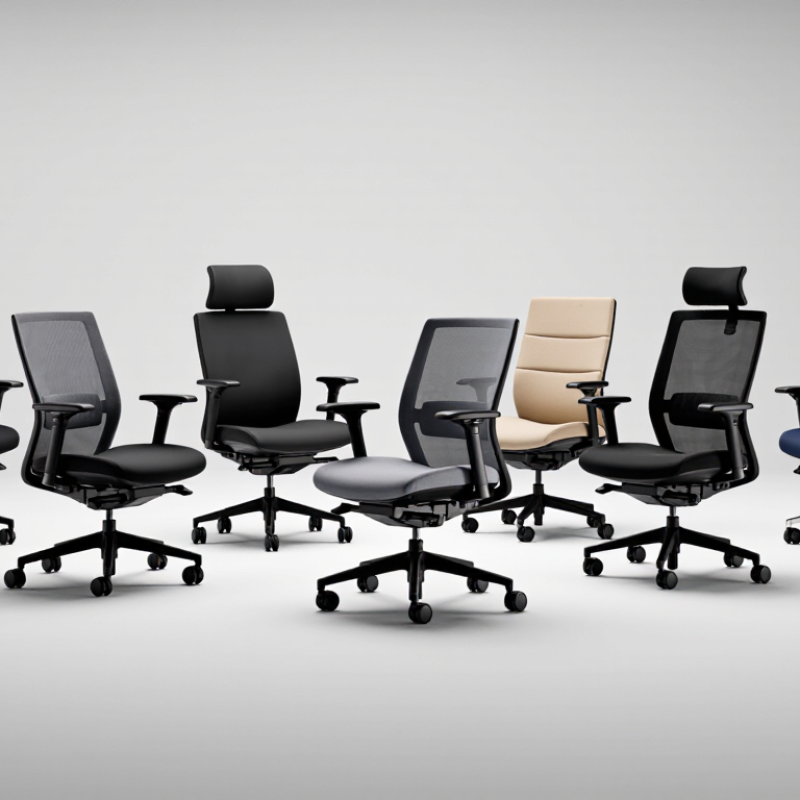
Seven useful chair types include task, mesh-back, executive, drafting, saddle, kneeling, and compact ergonomic designs. Each should provide stable height adjustment and dependable support. A backrest angle between 90 and 110 degrees suits different activities. Use 90–95 degrees for focused typing. Open the angle toward 100–110 degrees for reading or calls. The recline should move smoothly, without sudden drops. I would avoid chairs that advertise wide movement but provide no angle lock.
Measure before ordering internationally. Check the seat width, cushion depth, cylinder range, and desk clearance. A 17-inch seat may still feel cramped if its depth exceeds your thigh length. Also verify the product’s measurement method, because sellers may measure unloaded foam. That creates misleading numbers. I have made this mistake before. A chair looked suitable on paper, yet its seat sank too much during use. Build quality, replacement parts, and clear assembly instructions deserve equal attention. Some “adjustable” chairs offer many controls, but poor adjustment accuracy.
This benchmark compares seven representative adjustable-chair configurations without using brand or company data. Seat heights range from 15 to 22 inches, while backrest adjustment angles range from 90° to 110°. A seat height near 18–20 inches and a backrest angle around 100° are common reference points for general office use.