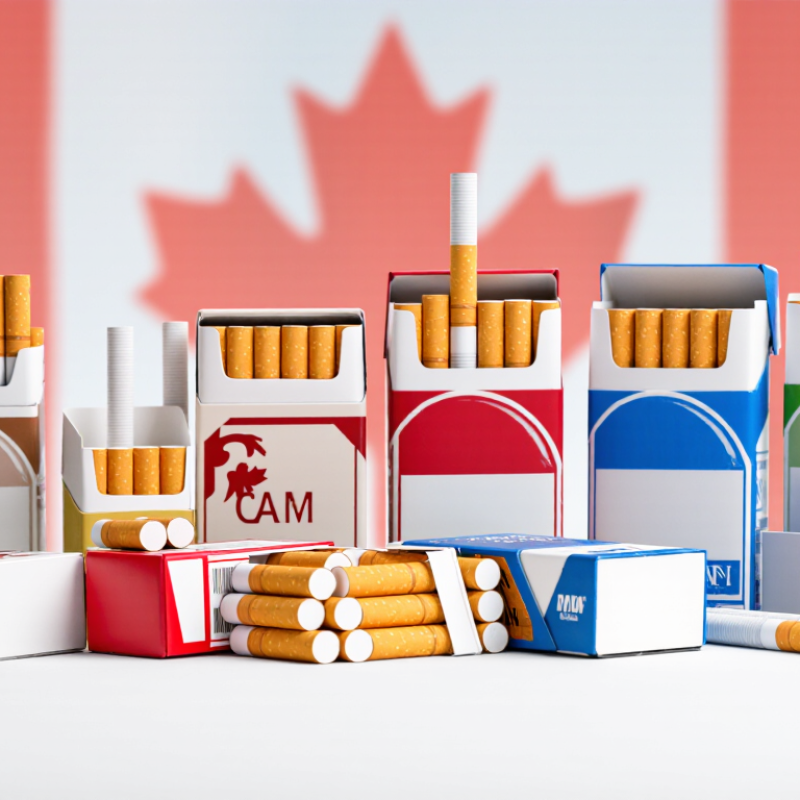
| 1 | Standardized packaging | Federal rules require standardized, plain packaging for tobacco products, including restrictions on package appearance, colours, and decorative elements. | Reduces the use of packaging as a promotional tool and makes required health information more prominent. | Tobacco Products Regulations (Plain and Standardized Appearance) |
| 2 | Package health warnings | Federal labelling rules require health warnings on tobacco product packages. Cigarette package warnings are required to occupy 75% of the principal display areas. | Provides prominent health information at the point of purchase and during product use. | Tobacco Products Regulations (Plain and Standardized Appearance) |
| 3 | Warnings on individual cigarettes | Canada’s tobacco labelling requirements include health warnings printed directly on individual cigarettes, with implementation dates set out in the regulations. | Extends health messaging beyond the package, including when cigarettes are shared or removed from a pack. | Health Canada: Federal tobacco regulations |
| 4 | Flavour restrictions | Federal regulations prohibit menthol as an additive in cigarettes and certain other tobacco products. Additional federal and provincial or territorial restrictions may apply to other products. | Flavour restrictions are intended to reduce the appeal of tobacco products, particularly to young people. | Tobacco Products Regulations (Prohibited Additives) |
| 5 | Minimum age for sale | Federal law prohibits furnishing tobacco products to young persons under 18. Provinces and territories may set a higher minimum age for tobacco sales. | Retailers must follow the applicable rules in their jurisdiction; the legal age is not uniform across Canada. | Tobacco and Vaping Products Act |
| 6 | Federal and provincial taxes | Tobacco products are subject to federal excise duty, and provincial or territorial tobacco taxes may also apply. Rates can change over time. | Tax treatment affects retail prices and is one component of tobacco-control policy. | Canada Revenue Agency: Tobacco duties |
| 7 | Smoke-free places | Smoking restrictions in workplaces and public places are governed largely by provincial, territorial, and municipal laws, which differ by location. | People should check local rules before smoking; restrictions help limit involuntary exposure to second-hand smoke. | Health Canada: Tobacco legislation |
| 8 | Health risks | Smoking is addictive and causes serious diseases, including cancers, cardiovascular disease, and respiratory disease. There is no risk-free level of tobacco smoking. | Risk information is relevant to prevention, cessation support, and public-health decisions. | Health Canada: Health effects of smoking |
| 9 | Second-hand smoke | Second-hand tobacco smoke contains harmful substances and can expose non-smokers, including children, to health risks. | Smoke-free homes, vehicles, workplaces, and public spaces help protect people who do not smoke. | Health Canada: Second-hand smoke |
| 10 | Popularity and market data | Public-health surveys report tobacco-use measures, while an official brand-by-brand popularity ranking is not provided in this table. | Survey prevalence, sales, and brand popularity are different measures and should not be treated as interchangeable. | Health Canada: Canadian Tobacco and Nicotine Survey |