2026 How to Choose Foot Support Insoles?
Choosing Foot Support Insoles in 2026 is no longer a simple comfort decision. It involves foot structure, activity level, footwear design, and personal symptoms. The World Health Organization reports that approximately 1.71 billion people live with musculoskeletal conditions worldwide. Foot discomfort often appears during ordinary moments: standing at a workbench, walking across concrete, or climbing stairs after a long shift.
Fit matters more than marketing language. The American Podiatric Medical Association emphasizes properly fitting shoes and appropriate support for everyday foot health. Research published in the Journal of Foot and Ankle Research also links foot pain with reduced mobility and lower quality of life among adults. These findings suggest that Foot Support Insoles should be selected according to pressure distribution, arch shape, cushioning, and shoe volume. A soft foam layer may feel pleasant initially. It may also compress too quickly under repeated use.
There is no universal insole. That is the uncomfortable truth. A runner may need lightweight shock absorption, while a warehouse worker may need stable heel support and durable materials. People with persistent pain, numbness, swelling, diabetes, or previous injuries should seek professional assessment before changing their footwear setup. The American College of Foot and Ankle Surgeons warns that untreated foot problems can worsen when users rely only on self-treatment. This guide examines practical selection criteria, material differences, and fit-testing methods for 2026. It also questions common claims, because “more support” is not automatically better. Comfort should be tested gradually, observed carefully, and reconsidered when the body responds poorly.
What Foot Support Insoles Are and How They Work
2026 How to Choose Foot Support Insoles?
What Foot Support Insoles Are and How They Work
Foot support insoles are removable inserts placed inside shoes. They support the foot, soften impact, and spread pressure more evenly. Unlike simple cushioning pads, supportive insoles may include shaped areas beneath the arch and heel. Their design can influence how your foot moves during walking, standing, or exercise.
The arch section does not “fix” your foot. It gives controlled contact as your body weight moves forward. A heel cup can reduce side-to-side movement. Shock-absorbing materials may also lessen pressure under the heel and forefoot. However, comfort depends on your foot shape, footwear, activity, and existing symptoms. More support is not always better.
Check the insole while wearing your usual shoes. Your heel should sit securely, and your toes should not feel crowded. Walk on a firm floor for several minutes. Notice pressure, rubbing, or numbness. Small discomfort matters. I have seen people choose rigid support too quickly, then abandon it after one day. Gradual use is often more sensible, although this approach can still fail for some feet.
Replace an insole when it becomes compressed, uneven, or cracked. Persistent pain, swelling, tingling, or skin changes deserves professional assessment. A podiatrist or physiotherapist can examine your gait and recommend suitable support. Foot impressions alone cannot explain every problem. Your daily experience matters too.
How to Identify Your Foot Support Needs
Before choosing foot support insoles, identify what your feet actually need. Start with the symptom, not the product. Note where discomfort appears: the heel, arch, ball of the foot, or outer edge. Record when it begins, such as after standing, running, or walking downstairs. This simple log can reveal patterns that memory misses.
Look at your current shoes. Uneven wear on the heel may suggest altered movement, but it is not a complete diagnosis. Check whether your arch feels tired, your toes feel crowded, or your heel slips inside the shoe. A flat footprint does not automatically mean you need firm support. Foot shape, activity level, body weight, and shoe design all matter. I once chose support based only on arch height, and that shortcut caused pressure under my midfoot. The lesson was uncomfortable but useful.
Try an insole gradually. Wear it for one or two hours, then inspect your skin for rubbing or redness. Support should feel stable, not sharply painful. Match the insole to your activity, because walking shoes and work shoes create different demands. If discomfort continues, spreads, or changes your walking pattern, seek assessment from a podiatrist or qualified healthcare professional. People with diabetes, reduced sensation, or previous foot injuries should ask for professional guidance before experimenting. No single insole suits every foot.
How to Compare Insole Materials, Shapes, and Support Levels
How to Choose Foot Support Insoles in 2026?
Comparing insole materials, shapes, and support levels starts with your daily movement. Foam feels soft under the heel, while polyurethane usually offers firmer, longer-lasting cushioning. Thermoplastic materials can hold a structured shape, but they may feel rigid during the first few wears. The American Podiatric Medical Association reported that 77% of surveyed adults had experienced foot pain. Comfort is not a luxury.
Shape matters as much as material. A contoured heel cup can reduce sliding inside a shoe. A wider forefoot may help toes spread naturally. Arch height should match your foot, not a product label. A 2023 systematic review in the Journal of Foot and Ankle Research found that foot orthoses may reduce pain for some conditions, although results varied between users and designs. Evidence is useful, not magic.
Support level should match the task. Choose moderate cushioning for long standing on hard floors. Consider firmer control for repeated walking, provided your shoes have enough room. Check pressure points after thirty minutes. Red marks are feedback. Pain is a warning.
I once assumed firmer meant better. It did not. My heel felt stable, but my forefoot became numb after an hour. Recheck your choice after several days, and consult a qualified foot-health professional when pain persists, spreads, or changes your walking pattern.
How to Choose Insoles for Different Shoes and Activities
2026 How to Choose Foot Support Insoles?
How to Choose Insoles for Different Shoes and Activities
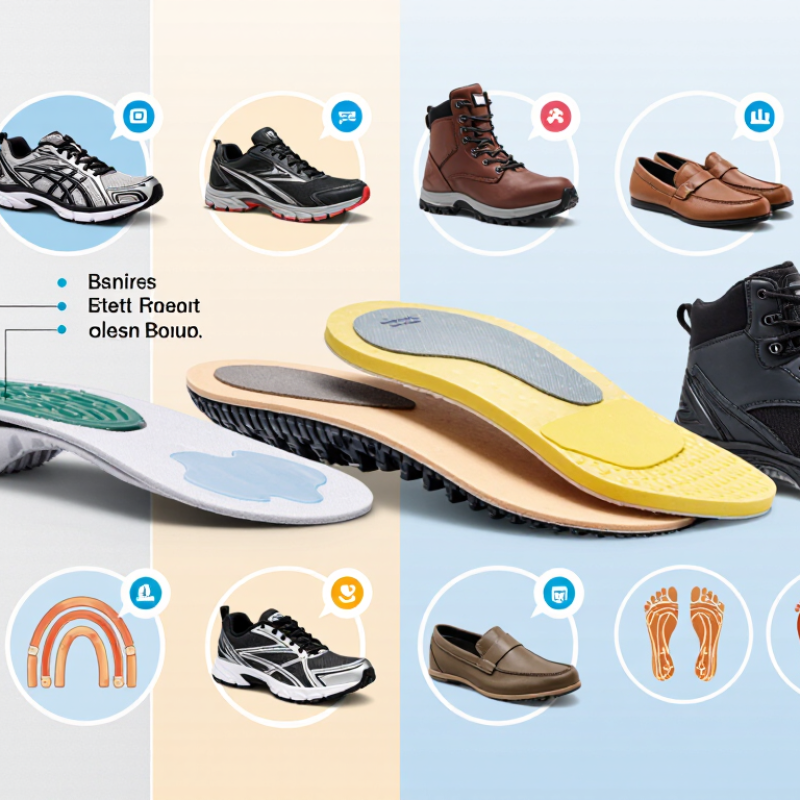
The best insole depends on the shoe, your movement, and the pressure under your feet. A firm walking insole may feel supportive in hiking boots, but it can crowd a narrow dress shoe. Check the shoe’s removable liner first. Measure your foot in the socks you normally wear. Your toes should still move freely, with no raised edge pressing against them.
For running, choose a lightweight insole with stable arch support and moderate cushioning. It should sit flat without sliding during repeated strides. For standing at work, look for shock absorption under the heel and forefoot. A thin, flexible design usually suits casual shoes. Cycling shoes need a flatter profile, because excessive cushioning can reduce control. Winter boots may require insulation, but thick foam can make your toes cold by restricting space.
I once selected strong arch support because it felt impressive in the store. It caused discomfort after two hours. That choice was wrong for my foot shape. Wear new insoles gradually, starting with one or two hours. Inspect your feet for redness, pressure marks, or numbness. Stop using them if discomfort continues. People with diabetes, persistent pain, or previous foot injuries should seek advice from a podiatrist or qualified foot-care professional.
Small details matter.
How to Fit, Test, and Replace Foot Support Insoles
How to Choose Foot Support Insoles in 2026
Fit foot support insoles to your shoes, activity, and actual foot shape. The American Podiatric Medical Association reported that 77% of Americans have experienced foot pain. That figure makes careful fitting more than a comfort preference. Remove the original insole when possible. Trace its outline, then compare the replacement’s length and width. Your heel should sit fully inside the rear cup. Your toes need clear space.
Test the insoles indoors for 30 to 60 minutes. Walk, stand, and climb stairs slowly. Check for heel slipping, arch pressure, numbness, or hot spots. Do not rush. A firm arch may feel strange initially, but sharp pain is not normal. Wear thin socks during testing. Thick socks can hide pressure and create a false fit. A useful admission: comfort alone can mislead. Support should feel stable, not aggressively corrective. Stop testing if pain increases, and seek a podiatry assessment for persistent symptoms.
Replace insoles when cushioning stays compressed, edges curl, or the heel tilts noticeably. Heavy users may need replacement sooner than occasional walkers. Grand View Research’s 2024 industry report projects global foot orthotic insole growth above 6% annually through 2030, reflecting wider use across work, sport, and daily walking. However, market growth does not prove every design suits every foot. Check wear every month. Keep the receipt. Even careful fitting sometimes fails.
2026 How to Choose Foot Support Insoles?
How to Fit, Test, and Replace Foot Support Insoles
Typical replacement timing depends on use. Insoles used for sports and high-impact activity generally wear faster than those used occasionally. Replace them sooner if the cushioning is compressed, the support has become uneven, the surface is damaged, or discomfort returns. When fitting new insoles, keep the heel seated, check that the insole lies flat, and confirm that toes can move without pressure. Test gradually and stop using them if pain, numbness, or persistent discomfort develops.