| Liquid-Container Capacity | 100 mL / 3.4 US fl oz or less per container | TSA and common international aviation-security guidance limit each liquid, gel, aerosol, cream, or paste container to 100 mL or 3.4 US fl oz in carry-on baggage. | Check the container’s stated capacity, not how much product remains inside it. A partly filled container larger than 100 mL may still be rejected. |
| Clear Liquids Pouch | Transparent, resealable bag with a capacity of approximately 1 liter / 1 quart | The TSA 3-1-1 rule generally requires carry-on liquids to fit in one quart-sized bag. IATA guidance commonly refers to one transparent, resealable 1-liter bag. | Confirm that the pouch closes fully without forcing the zipper and that all liquid containers fit inside one bag. |
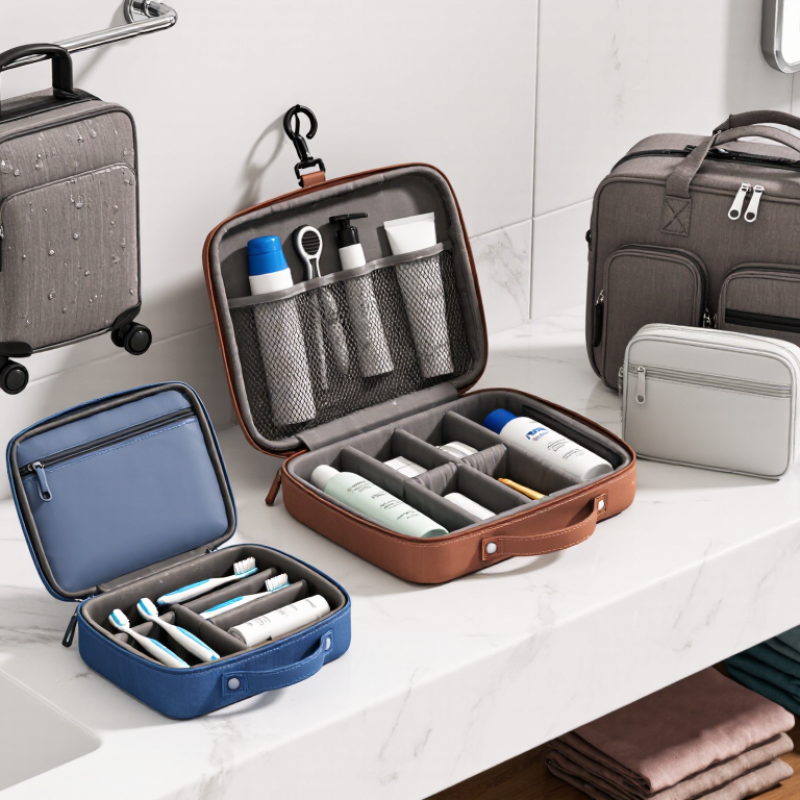
| Toiletry-Bag Layout | Separate liquid compartment plus dry-item compartments | Separating liquids from dry items reduces leaks and makes the security inspection faster. | Place shampoo, toothpaste, creams, gels, and aerosols in the removable or easily accessible transparent section. |
| Access for Security Screening | Wide opening, smooth zipper, and an easy-to-remove liquid pouch | A bag that opens flat or has a removable liquid section allows quicker presentation at the checkpoint. | Pack the liquid pouch near the top of your carry-on rather than beneath clothing or electronics. |
| Leak Protection | Water-resistant lining, sealed seams, and individual caps or sleeves | Pressure and temperature changes during air travel can cause poorly closed containers to leak. | Tighten every cap, wipe the threads clean, and place potentially messy products in secondary sealed bags. |
| Size and Packability | Compact shape that fits the intended carry-on, with flexible sides where possible | A toiletry bag should not take up unnecessary cabin space or prevent the liquid pouch from being removed quickly. | Measure the packed bag and compare it with your carry-on’s available pocket or compartment. |
| Dry Toiletries | Dedicated space for solid soap, toothbrushes, razors, cotton products, and medication | Solid items generally do not count toward the liquid-container limit, although screening officers may inspect any item. | Keep sharp objects protected and pack medication according to the rules of the departure and destination countries. |
| Material and Cleaning | Lightweight, durable, water-resistant material with a wipe-clean interior | Toiletry bags are exposed to moisture, spills, and frequent handling; easy-clean materials improve hygiene and durability. | Inspect the zipper, lining, hanging loop, and seams for damage before each trip. |
| Airline and Route Verification | Use the departure airport, airline, and destination-country requirements as the final reference | Security procedures can vary by airport, country, and itinerary. Some airports may apply additional screening or packaging requirements. | Review current official guidance before departure, especially for transfers, regional flights, and restricted items. |